
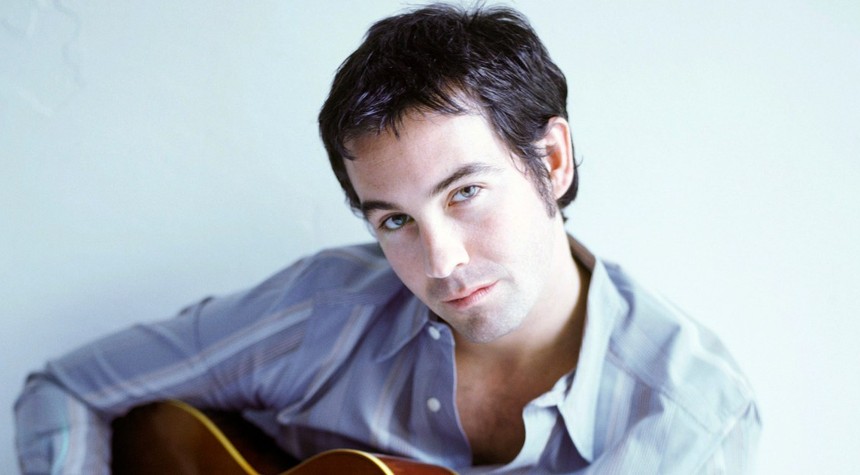
Duncan Sheik, the singer-songwriter who brought audiences the 1996 hit “Barely Breathing” and later transformed Broadway with his Tony Award-winning musical “Spring Awakening,” died Thursday night at the age of 56. His mother, Suzanne Sheik, confirmed that cardiac arrest was the cause of death.
The announcement came through a statement posted to his official social media account, describing Sheik as “a singular talent, and deeply influential voice in music and theater.” The statement noted that he passed away surrounded by love, just one day after his family revealed he was receiving medical care in critical but stable condition. The specific nature of his medical emergency had not been disclosed.
Sheik burst onto the popular music scene in 1996 with “Barely Breathing,” a melancholic pop ballad that earned him a Grammy nomination for best male pop vocal performance. The song’s extended run on radio made it inescapable during that era, though Sheik himself later expressed mixed feelings about its overwhelming success. In a 2020 interview, he admitted to once resenting the song’s longevity, noting that it overshadowed his other work and prevented newer material from receiving airtime.
Over his career, Sheik released nine studio albums, with his most recent arriving in 2022. Yet despite his continued creative output, “Barely Breathing” remained his most recognized work in the pop music sphere, continuing to top his streaming profiles decades after its release.
His artistic legacy, however, extends far beyond that single hit. Sheik found his true calling in theater composition, beginning with his work on the New York Shakespeare Festival production of “Twelfth Night” in 2002. His breakthrough came four years later when he collaborated with lyricist Steven Sater on “Spring Awakening,” a bold adaptation of an 1800s German play that revolutionized Broadway’s approach to musical theater.
“Spring Awakening” proved transformative not only for Sheik but for the theater world at large. The production launched the careers of actors Lea Michele and Jonathan Groff, who starred in the lead roles. The musical’s raw energy and contemporary rock score earned Sheik two Tony Awards in 2007, including best orchestrations and best original score, which he shared with Sater. The production itself won best musical that year and later received a Grammy Award for best musical show album.
According to reports from 2012, Sheik had been working on music for a film adaptation of “Spring Awakening,” though the project’s status remained unclear at the time of his death.
Beyond his professional achievements, Sheik was a practicing Buddhist and shared a daughter with his longtime girlfriend, Nora Ariffin. The statement from his family emphasized the personal qualities that defined him beyond his public accomplishments, remembering him as a father, husband, son, brother, and friend who brought “sensitivity, wit, intelligence, and depth of spirit” to those who knew him.
The artistic community has begun expressing gratitude for Sheik’s contributions, with his family acknowledging the outpouring of support from fans, friends, and collaborators. His work bridged popular music and theatrical composition, leaving an imprint on both worlds that will endure well beyond his passing.
Related: California Moves Forward with State AI Oversight After Federal Inaction
