
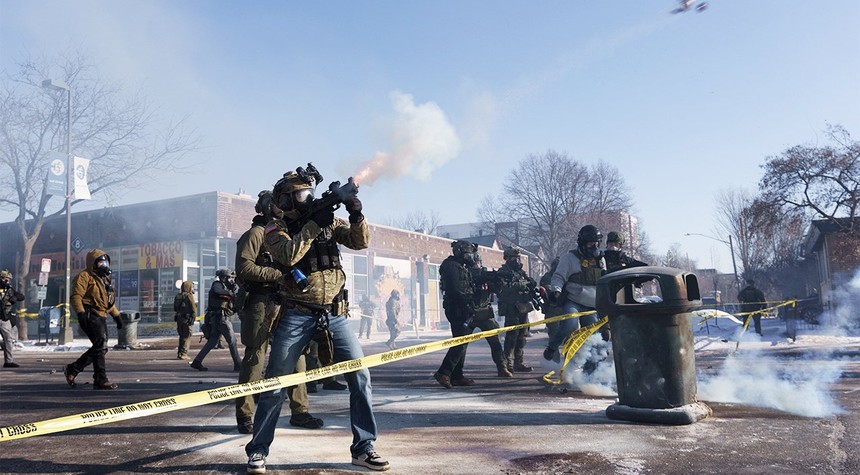
Deep fractures have emerged within the Department of Homeland Security following a fatal shooting in Minneapolis last Saturday, with more than half a dozen federal law enforcement officials expressing significant concern over how senior leadership has characterized the incident to the American public.
The shooting occurred during a morning immigration enforcement operation when a Border Patrol agent fatally shot Alex Pretti, a 37-year-old Minneapolis resident who worked as an intensive care unit nurse at a Veterans Affairs facility. According to authorities, Pretti was armed with a handgun and two magazines at the time of the confrontation.
What has followed in the days since has been an unusual public display of internal disagreement within federal immigration enforcement ranks. Officials involved in immigration enforcement operations have voiced growing frustration with the messaging strategy employed by senior department officials, raising questions about tone, tactical approach, and the agency’s credibility during a period of heightened public scrutiny.
At the center of the controversy is Department of Homeland Security Secretary Kristi Noem’s decision to publicly label the incident as “domestic terrorism” during a press event on Saturday. This characterization has become a focal point of the internal debate, with field agents and enforcement personnel questioning whether such a designation was premature or appropriate given the circumstances of the encounter.
The internal discord represents a significant challenge for an administration that has made immigration enforcement a cornerstone of its domestic policy agenda. When federal law enforcement officials begin publicly expressing reservations about their own leadership’s handling of a critical incident, it raises fundamental questions about operational cohesion and institutional trust.
The facts of the case, as they have been presented thus far, indicate that Border Patrol agents were conducting a targeted immigration enforcement operation when they encountered Pretti. The presence of a firearm and ammunition transformed what might have been a routine enforcement action into a deadly confrontation. However, the circumstances leading up to the shooting and the specific sequence of events remain subjects of ongoing investigation.
What is clear is that the aftermath has exposed fault lines within the Department of Homeland Security that extend beyond this single incident. The willingness of multiple federal officials to voice concerns about their leadership’s public statements suggests a broader crisis of confidence in how the agency manages both operations and public communications.
For an agency tasked with protecting American borders and enforcing immigration law, internal unity and clear communication protocols are not merely administrative preferences but operational necessities. When agents in the field question the judgments and statements of officials in Washington, it creates an environment where mission effectiveness can be compromised.
The situation also raises important questions about the appropriate use of terminology such as “domestic terrorism” in law enforcement contexts. Such designations carry significant legal and political weight, and their application in cases still under investigation can complicate both the judicial process and public understanding of events.
As this matter continues to unfold, the American people deserve transparency about what occurred in Minneapolis and clarity about how their government agencies function under pressure. The internal disagreements now coming to light suggest that achieving such clarity may prove more challenging than anticipated.
Related: GLP-1 Medications Drive Menu Changes at Major Restaurant Chains Across America
