
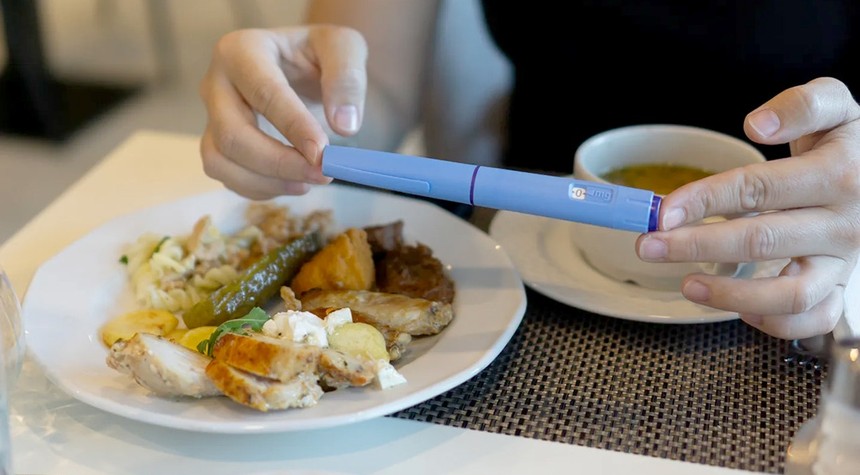
American restaurant chains are undertaking a significant shift in their menu offerings as millions of Americans using weight-loss medications find themselves unable to finish traditional portion sizes.
The rise of GLP-1 medications such as Ozempic, Wegovy, and Zepbound has prompted an industry-wide response from establishments once known for unlimited breadsticks and oversized plates. These drugs, which suppress appetite and slow digestion, are fundamentally changing how Americans approach dining out.
Jenna Werner, a registered dietitian based in New Jersey, explained the dietary priorities driving these menu changes. “People on GLP-1s are prioritizing protein because it is the macronutrient that they need to preserve muscle mass,” Werner noted, observing that restaurants are capitalizing on this weight-loss cultural movement.
The response from major chains has been swift and comprehensive. Olive Garden has introduced a lighter portion menu featuring smaller servings at reduced prices. Chipotle now offers a High Protein Cup. Subway has added compact Protein Pockets to its menu. Smoothie King has gone so far as to launch an entire menu specifically designed to support GLP-1 users.
Fast-food establishments are following suit. Shake Shack and Chipotle are among the chains that have rolled out high-protein, lower-carbohydrate options designed to meet the needs of customers whose appetites have been fundamentally altered by these medications.
Dr. Fernando Ovalle Jr., a Florida-based obesity specialist, has observed these changes firsthand in his practice. “Patients consistently report that restaurant portions, which they once found normal-sized, now seem overwhelming,” Dr. Ovalle said. “Many tell me they can barely finish a third of their usual order.”
The question facing the restaurant industry has been whether these medication users would abandon dining out entirely. Recent research suggests otherwise. A January study conducted by Circana, a Chicago-based research company, found that GLP-1 users have decreased the average number of items ordered per visit by merely one percent. However, their ordering patterns have shifted, with a clear preference for main dishes over side items.
Max Tucci, whose New York City restaurant bears his name, is among the restaurateurs adapting to this new reality by offering meals specifically designed for weight-loss drug users.
This transformation represents more than a passing trend. With GLP-1 medications becoming increasingly mainstream and prescribed to millions of Americans, restaurants are making strategic decisions about their long-term menu offerings. The industry appears to be betting that smaller portions and protein-focused options will become permanent fixtures rather than temporary accommodations.
The changes reflect a broader shift in American dining culture, one where traditional notions of value based on quantity are giving way to considerations of nutritional content and appropriate portion sizes. For an industry built on abundance, this represents a fundamental recalibration of what customers want and need from their dining experience.
Related: Winter Storm Triggers Worst Flight Disruptions Since Pandemic Began
