
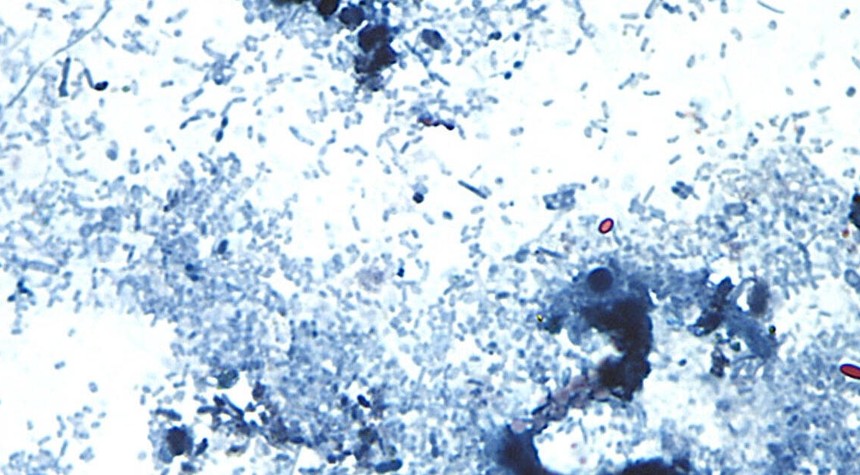
Michigan health authorities are confronting the largest parasitic outbreak in the state’s recorded history, with nearly 1,000 residents diagnosed with cyclospora infections since late June. The outbreak has expanded beyond Michigan’s borders, with investigations underway in 28 additional states as health officials work to identify the source of these infections.
The Michigan Department of Health and Human Services initially disclosed the outbreak last week after identifying more than 170 cases concentrated in the southeastern region of the state. By Wednesday, that figure had climbed to 992 confirmed cases, including approximately 40 hospitalizations. No fatalities have been reported. The scale of this outbreak stands in stark contrast to typical years, when Michigan identifies only about 50 cases annually.
The situation extends into neighboring Ohio, where Lucas County has reported 306 cases as of Wednesday, with the northwestern portion of the state documenting more than 400 total infections. The geographic proximity of these cases suggests a common source, though investigators have yet to establish a definitive link.
According to the Centers for Disease Control and Prevention, 17 states have confirmed cases from early May through June 16, including Illinois, Maryland, Massachusetts, New York, and Texas. Dr. Natasha Bagdasarian, Michigan’s chief medical executive, stated that despite the challenges inherent in tracking cyclospora outbreaks, evidence clearly indicates a linked outbreak is occurring.
Cyclospora is a microscopic, spherical parasite that infects the intestinal tract, causing cyclosporiasis. The primary symptom is watery diarrhea, which the CDC describes as frequent and sometimes explosive. While the illness typically lasts several weeks and causes significant discomfort, it is rarely life-threatening. The parasite thrives in warm conditions and spreads through fecal contamination.
Historical outbreaks in the United States and Canada have been traced to various fresh produce items, including bagged salad mixes, fresh cilantro, fresh basil, raspberries, snow peas, and scallions. The contamination typically occurs when irrigation water tainted with fecal matter comes into contact with these foods. However, the source of the current outbreak remains unidentified, complicating containment efforts.
Cyclospora infections are less common than other foodborne illnesses such as salmonella and E. coli. For many years, the United States saw relatively few cyclospora outbreaks annually. However, approximately a decade ago, the frequency of these outbreaks began to increase, with several particularly significant spikes in recent years.
The investigation into this outbreak faces inherent difficulties. Cyclospora surges present unique challenges for public health officials, as the incubation period and the variety of potential contamination sources make it difficult to establish definitive connections between cases and their origins. Food poisoning investigations often require extensive interviews with affected individuals, detailed food consumption histories, and laboratory analysis of suspected products.
Health officials continue to monitor the situation closely and are coordinating efforts across state lines to identify the contamination source and prevent further infections. Residents in affected areas are advised to practice proper food safety measures and seek medical attention if they develop symptoms consistent with cyclosporiasis.
Related: Trump Announces New Granite Helipad for White House South Lawn
