
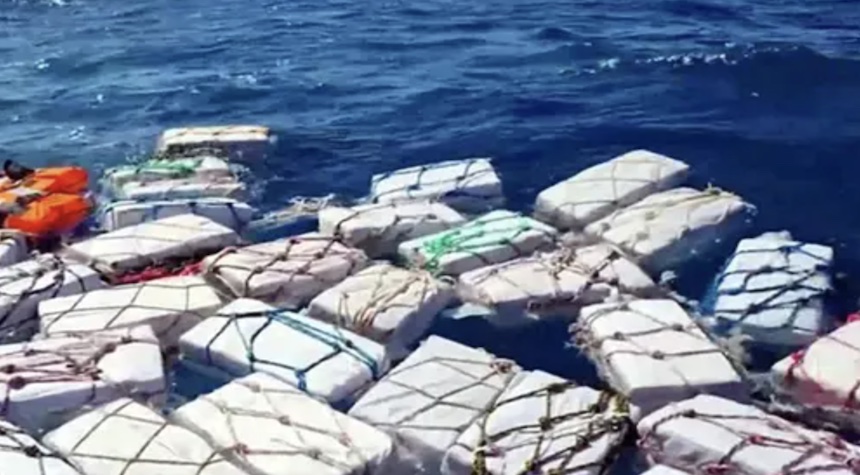
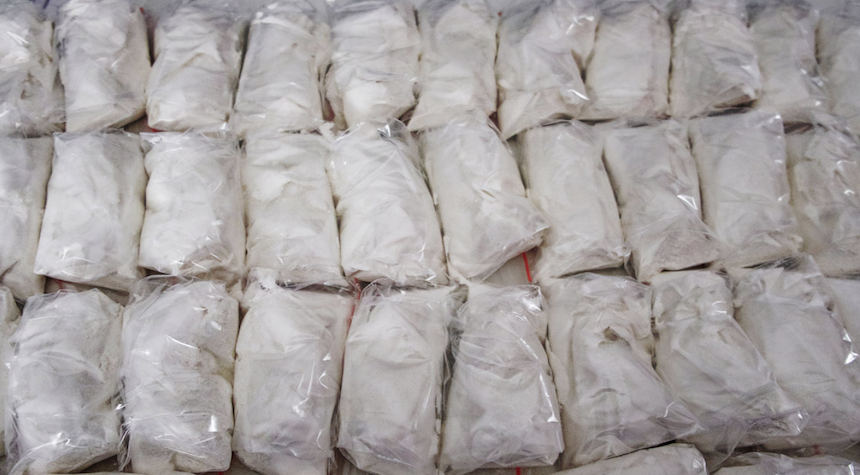
El Salvadoran authorities have intercepted a shipment containing an estimated 1.4 tons of cocaine in the Pacific Ocean. The package, discovered roughly 1,000 miles southwest of El Cordoncillo at the mouth of the Jaltepeque estuary, was valued at approximately $35 million, as per the statement from President Nayib Bukele.
The seizure comes amid President Donald Trump’s ongoing campaign against Latin American drug traffickers, which includes the designation of certain cartels as foreign terrorist organizations. The evidence suggests that Central America, and El Salvador in particular, is often exploited as a transit region for cocaine bound for the United States.
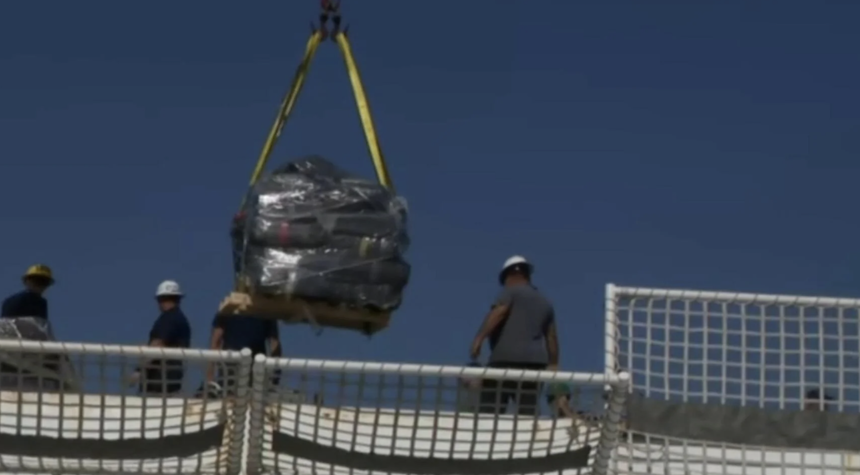
Between 2024 and 2025, El Salvador seized a startling 37.2 tons of cocaine, with an estimated value of $932.4 million. The U.S. embassy in El Salvador commended this latest operation, noting its success as indicative of increasing synchronicity between partners united by common goals.
You May Also Like: Police Fatally Shoot Man Who Allegedly Attacked Officer With Butcher Knife
Nearly 90 percent of cocaine reaching the United States passes through Mexico and Central America via small planes, boats, and so-called “narco subs”. In response, President Trump has deployed several warships towards Venezuela, accusing its government of participating in the drug trade, and has authorized missile strikes against suspected drug boats.
This development follows earlier reports that President Trump targeted members of Tren de Aragua, a Venezuela-based organized crime group, which has been designated a foreign terrorist organization. Further, last week, Secretary of Defense Pete Hegseth confirmed that the U.S. will maintain assets in the Caribbean to strike any confirmed drug traffickers in the region. Simultaneously, 10 F-35 fighter jets are being dispatched to the Caribbean for operations against drug cartels, according to a source familiar with the plans.
This seizure highlights the significant challenge of drug trafficking in Central America, the ongoing response from the United States, and the critical importance of international cooperation in addressing this pervasive issue. The full implications of these developments and their impact on the war against drugs remain to be seen.
