
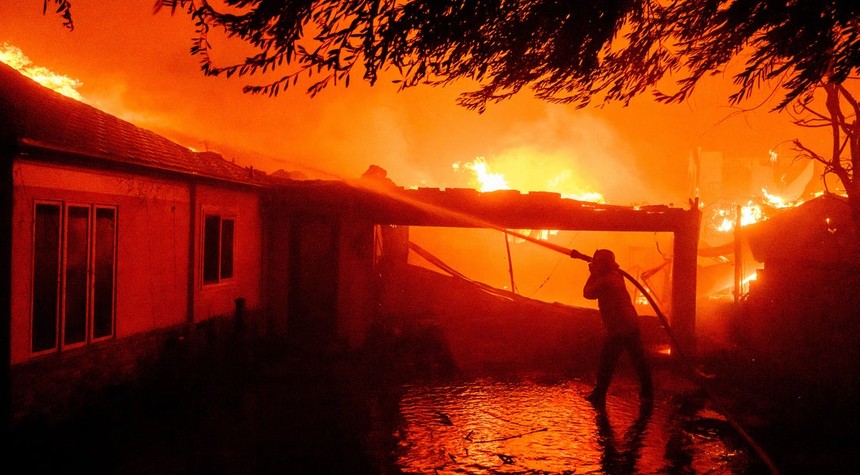
The Los Angeles County Fire Department has concluded an extensive 18-month investigation into the Eaton Fire, determining that electrical arcing on a decommissioned transmission tower ignited the blaze that claimed 19 lives and caused widespread destruction across the region.
The investigation, conducted jointly by the LACFD’s Arson Fire Investigation Unit and Cal Fire, identified the precise mechanism of ignition. According to the official report released Tuesday, arcing events on the out-of-service tower ejected hot metal particles that descended onto dry vegetation below. The tower sits on a ridge above the Eaton Wash, where receptive fuel beds of dried brush provided ideal conditions for rapid fire spread.
Fire Chief Anthony C. Marrone acknowledged the gravity of the findings while emphasizing that no investigation can undo the profound losses suffered by area residents.
“I recognize that no report or investigation into the Eaton Fire can ease the deep pain and tragedy our residents have endured,” Marrone stated. “While the cause has been determined, our focus remains on assisting our residents to rebuild their homes and livelihoods, and ensuring lessons learned drive meaningful and impactful change in memory of the 19 lives lost.”
The investigation’s scope was comprehensive, incorporating analysis of Southern California Edison’s electrical utility infrastructure and mechanical systems. Investigators also reviewed extensive photographic and video evidence captured during the fire’s initial stages on January 7.
The determination that an out-of-service transmission tower was responsible raises significant questions about utility maintenance protocols and the oversight of decommissioned infrastructure. Electrical arcing, a phenomenon where electricity jumps between conductors or from conductors to ground, can generate temperatures exceeding 35,000 degrees Fahrenheit, hot enough to melt metal and create the incendiary particles identified in the report.
The Eaton Fire’s devastating toll serves as a stark reminder of California’s ongoing vulnerability to catastrophic wildfires, particularly during periods of drought when vegetation becomes critically dry. The January timing of the fire, occurring outside the traditional fire season, underscores the year-round threat posed by aging infrastructure in fire-prone regions.
As Los Angeles County moves forward, the investigation’s findings will likely inform policy discussions regarding utility infrastructure maintenance, decommissioning procedures, and fire prevention strategies. The 19 lives lost in the Eaton Fire represent not merely statistics, but families shattered and communities forever changed.
The county’s commitment to rebuilding extends beyond physical structures to encompass the implementation of safeguards designed to prevent similar tragedies. Whether these lessons will translate into substantive reforms remains to be seen, but the weight of this disaster demands nothing less than comprehensive action.
That is the situation as it stands this evening in Los Angeles County, where answers have been found, but the difficult work of recovery and prevention continues.
Related: Bipartisan Panel Finds Republican Representative Violated Workplace Conduct Rules
