
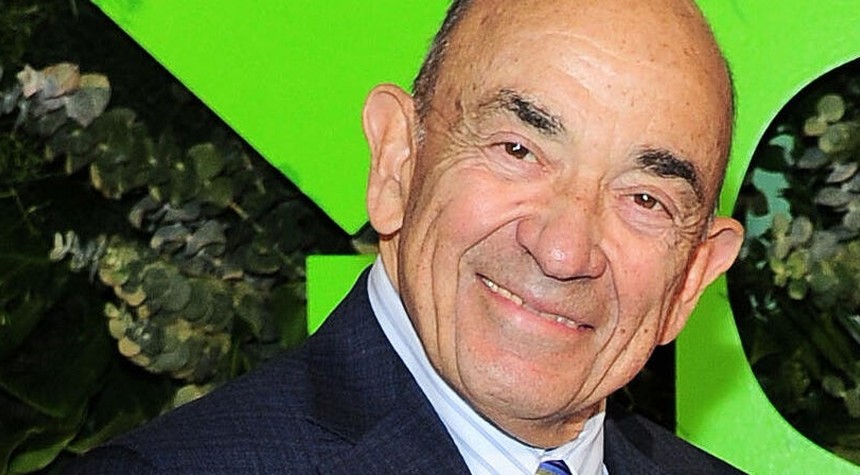
Federal Judge Alvin Hellerstein, who presided over some of the nation’s most consequential legal proceedings for three decades, has died at the age of 92. A spokesperson for the Southern District of New York confirmed his passing on Wednesday.
At the time of his death, Judge Hellerstein was presiding over the criminal case against former Venezuelan President Nicolás Maduro. His decision to accept that assignment in January, shortly after his 92nd birthday, had drawn scrutiny from legal observers, particularly following reports that he had briefly dozed during the trial of Charlie Javice last year. The 32-year-old chief executive was ultimately convicted of defrauding JPMorgan in a $175 million transaction involving her startup company.
President Bill Clinton appointed Hellerstein to the federal bench in 1998, when the jurist was 64 years old. Over the following decades, he established himself as a fixture in the nation’s most prominent federal courthouse, handling cases that often shaped national discourse and policy.
His docket included major litigation stemming from the September 11, 2001, terrorist attacks, proceedings involving convicted sex offender Harvey Weinstein, cases related to evidence of prisoner abuse at Abu Ghraib prison in Iraq, and the prosecution of Ponzi scheme architect David Hu.
In recent years, Judge Hellerstein became a recurring obstacle for President Donald Trump. The judge repeatedly denied Mr. Trump’s attempts to transfer his New York State criminal case to federal jurisdiction. His rulings on these matters contained pointed criticism of arguments advanced by the former president’s legal team.
Mr. Trump’s attorneys had contended that the actions at the center of the criminal case involved official presidential duties. That case resulted in Mr. Trump’s conviction by a state jury on charges related to reimbursements made to his former attorney Michael Cohen for a payment to adult film performer Stormy Daniels, whose legal name is Stephanie Clifford. The payment occurred shortly before the 2016 presidential election.
“Reimbursing Cohen for advancing hush money to Stephanie Clifford cannot be considered the performance of a constitutional duty,” Judge Hellerstein wrote in one opinion. “Falsifying business records to hide such reimbursement, and to transform the reimbursement into a business expense for Trump and income to Cohen, likewise does not relate to a presidential duty.”
The Supreme Court’s 2024 ruling on presidential immunity compelled Judge Hellerstein to revisit his initial determination. The U.S. Court of Appeals for the Second Circuit directed him to reconsider the immunity arguments in light of that landmark decision, which had significant implications for multiple cases involving the former president.
Judge Hellerstein issued his final ruling against Mr. Trump’s transfer motion on August 28, maintaining his position that the case properly belonged in state court.
Barry Pollack, an attorney representing Maduro, expressed condolences following the news. “We were saddened to learn of Judge Hellerstein’s passing and offer our condolences to his family,” he stated.
Judge Hellerstein’s three-decade tenure on the federal bench represented a significant chapter in American jurisprudence, marked by cases that addressed terrorism, executive power, corporate fraud, and questions of presidential accountability.
Related: Tech Giants Face Trial Over Claims Their Platforms Deliberately Addicted Minors
