The Justice Department has announced charges against 15 defendants in what officials describe as a coordinated nationwide crackdown on fraud targeting veterans’ disability benefits and healthcare programs. The cases involve more than $3.4 million in intended losses and represent the first such concentrated enforcement effort focused specifically on Veterans Affairs benefits fraud.
Since the operation began in September, federal prosecutors have also secured guilty pleas, trial verdicts, and sentencings in related cases involving more than $19 million in intended losses. The initiative brought together the Justice Department’s National Fraud Enforcement Division, federal prosecutors across multiple districts, the Department of Veterans Affairs, and its inspector general.
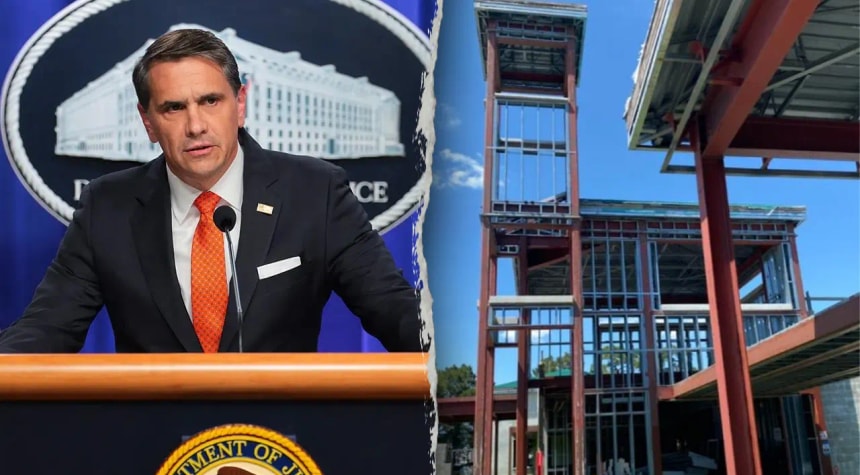
Assistant Attorney General Colin M. McDonald emphasized the unique nature of veterans’ benefits during the announcement. These are not simply government payments, he stated, but earned benefits that come through service, sacrifice, deployments, injuries, and time spent away from families. The willingness to serve something larger than oneself makes these benefits fundamentally different from other government assistance.
Among the most significant cases is a fraud scheme in Florida involving a cancer treatment center for veterans that was never completed. The government paid approximately $4.8 million toward the Cancer Infusion Therapy Center at Bay Pines VA Medical Center before the partially constructed facility was ultimately demolished. The VA had awarded the full $8.9 million construction contract through a program specifically reserved for businesses owned by service-disabled veterans.
Evidence presented at trial demonstrated that Matthew West, Kevin Kutina, and their co-conspirators obtained the contract while deliberately concealing arrangements that allowed ineligible companies to perform most of the work and receive most of the payments. Both West and Kutina were convicted of conspiracy to commit wire fraud, wire fraud, and major fraud against the United States. Two additional defendants in that case pleaded guilty to conspiracy to commit wire fraud. Construction failures plagued the project throughout, leaving taxpayers with millions spent and veterans without the promised cancer treatment facility.
Other cases involved more direct theft from individual veterans’ benefit payments. In Texas, prosecutors have charged Heidi Brady, an employee at the VA National Call Center, with using her access to veterans’ personal information to change their direct deposit information shortly before monthly disability payments were scheduled. The redirected funds allegedly went to an account she controlled. Her neighbor, Raymond Audie Davis, faces charges of assisting by impersonating veterans during calls to the VA and using their identifying information to redirect payments.
An Ohio case involves allegations against Darlene Toman, who prosecutors say stole from disabled veterans whose finances she was entrusted to manage. Among the alleged victims was a Marine who had been severely wounded in Iraq and received both the Purple Heart and Combat Action Ribbon. The veterans Toman is accused of defrauding included individuals with traumatic brain injuries, schizophrenia, amputations, and other serious conditions. Some required around-the-clock care. Rather than safeguarding their benefits as required, Toman allegedly used fraudulent checks and diverted payments that were intended to cover veterans’ living expenses and medical care for her own personal use.
When questioned whether uncovering $19 million in fraud represented meaningful success given the nationwide scope of such schemes, McDonald directed attention to the human impact. He pointed to the veterans who did not receive the care they needed and the cancer center that was never built despite taxpayer funding, asking whether those losses mattered to the servicemembers who went without treatment in their moments of greatest need.
The charges against Brady, Davis, and Toman remain allegations. All defendants are presumed innocent unless and until proven guilty in court.
Related: FBI Responds to Physical Altercation Aboard International Flight to Chicago