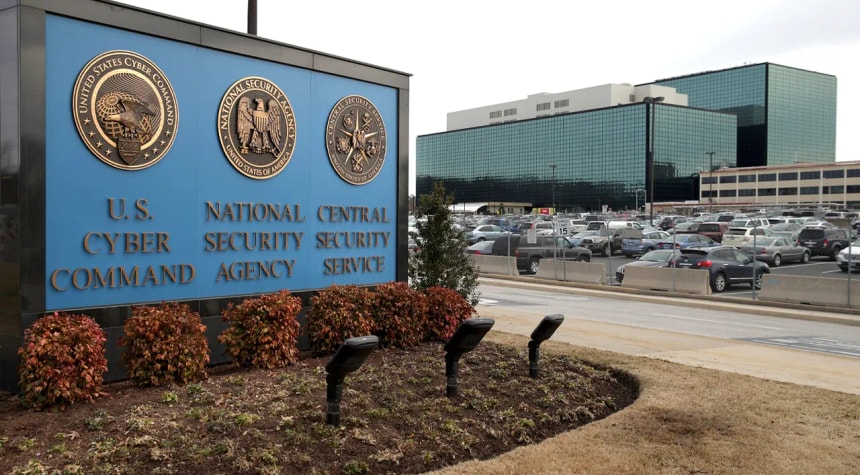
The National Security Agency is managing an intermittent disruption to its internal classified communications network, though officials confirm that critical operational capabilities remain fully functional. The affected system, known internally as NSA Net, serves as the primary channel through which agency personnel communicate classified information within the organization.
A person with direct knowledge of the situation indicated Tuesday that the agency has taken precautionary measures, including implementing staggered arrival times for its workforce. This coordination aims to prevent tens of thousands of employees from attempting simultaneous system access while technical personnel work to resolve the underlying issues.
The disruption appears technical in nature, according to sources familiar with the matter, though investigators have not yet determined the precise cause. Importantly, the agency maintains multiple backup facilities and redundant communication systems, ensuring that essential intelligence operations continue without interruption. The NSA’s critical mission of collecting and analyzing foreign signals intelligence, which directly supports both military and intelligence operations, has not been compromised.
The timing of this incident is noteworthy. It arrives amid a troubling succession of technology failures affecting major American institutions over recent days. Last Friday, the Federal Aviation Administration ordered a nationwide ground stop following a telecommunications failure that disrupted aircraft communications and radar feeds across the country. The instability spread to seventeen of the agency’s twenty-two air route traffic control centers before normal operations resumed that evening.
FAA officials attributed that disruption to excessive data overwhelming its aging telecommunications infrastructure, potentially originating from facilities in Texas and Arkansas. Investigators found no evidence suggesting foreign cyberattack involvement in that incident.
The cascade of technical failures across government systems raises legitimate questions about the resilience of America’s critical communications infrastructure. These systems, many built decades ago, now bear the weight of far greater data loads and face increasingly sophisticated threats.
Federal law enforcement agencies have separately issued warnings about evolving cyber threats. In a November 13 advisory, the FBI alerted organizations to hackers exploiting an artificial intelligence-powered framework known as ARTEX. This technology enables automated attacks with remarkable speed and efficiency. According to the bureau, some attackers using this system have achieved privileged access to targeted networks in fewer than three hours from initial contact.
Microsoft has previously connected this framework to hacking operations aligned with Chinese interests, specifically involving the exploitation of a ConnectWise supply-chain vulnerability. That particular operation involved attempted unauthorized access to more than 2,250 customer environments using Microsoft 365 services.
The NSA has not provided a timeline for complete restoration of the affected network. The agency declined to comment on the matter when contacted Tuesday.
As federal authorities work to address these immediate disruptions, the broader question remains whether America’s critical infrastructure networks possess the robustness necessary to withstand both the demands of modern data loads and the persistent threats posed by sophisticated adversaries. The answer to that question carries significant implications for national security in an era where digital systems undergird virtually every aspect of government operations and American life.
Related: FBI Responds to Physical Altercation Aboard International Flight to Chicago