
The financial and strategic costs of America’s war with Iran have come into sharper focus this week, with a Congressional Budget Office assessment revealing expenditures of at least $38 billion through the end of July and projections of continued economic strain on American households in the months ahead.
The nonpartisan budget office, which serves as Congress’ independent fiscal scorekeeper, released findings Tuesday that paint a sobering picture of the conflict’s impact on both military readiness and the domestic economy. The assessment warns that depleted weapons stockpiles may require five years or more to rebuild, significantly hampering the Pentagon’s capacity to respond to another major conflict during that period.
The budget office’s estimate encompasses direct costs from operations launched jointly by the United States and Israel against Iran beginning February 28 through August 1. Notably absent from these calculations are expenses related to damaged or destroyed American military installations that sustained Iranian bombardment. The bulk of expenditures stem from munitions deployment, with projected monthly costs ranging between $2 billion and $3 billion going forward. Those figures could rise substantially during periods of intensified combat operations.
American families face mounting economic pressure as well. The Congressional Budget Office projects the conflict will add approximately half a percentage point to the nation’s inflation rate early next year. This translates to continued increases in the costs of essential goods, housing, and food for ordinary Americans. Energy prices bear primary responsibility for this inflationary pressure, driven by supply disruptions throughout the Middle East region.
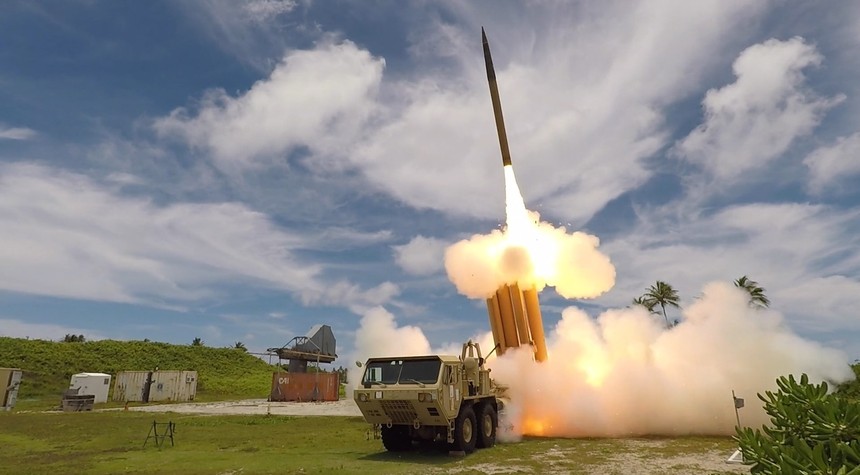
The depletion of America’s weapons inventory presents perhaps the most alarming strategic concern. Missiles and anti-air defense systems have been expended at rates that leave the United States vulnerable to challenges from other adversaries. “The shortfall would become especially problematic if a conflict arose with an opponent whose arsenal included large numbers of ballistic and cruise missiles,” the budget office stated in its assessment.
These concerns are not new to defense planners. A congressionally mandated commission warned in 2024 that the United States could effectively exhaust its munitions inventories within three to four weeks of engaging in conflict with China. Certain critical weapons systems, particularly anti-ship missiles, might be depleted within mere days of sustained combat operations.
The Congressional Budget Office noted in its report that missile defense interceptors remain in particularly short supply, a situation attributed to historically low production rates that left the Department of Defense with limited stockpiles even before the current conflict began.
The Pentagon declined to cooperate with the Congressional Budget Office analysis or provide requested information, according to the report. Defense Department officials did not respond to requests for comment on the assessment’s findings. Consequently, the budget office relied heavily on publicly available information to compile its estimates.
A Pentagon inspector general report released Monday reached similar conclusions regarding the massive expenditure of military munitions, lending additional credibility to the Congressional Budget Office’s warnings about America’s diminished military readiness.
The situation presents policymakers with difficult choices in the months ahead as they balance immediate operational needs against long-term strategic preparedness while managing the economic impact on American households already strained by persistent inflation.
Related: President Trump Claims Butler Assassination Attempt Was Democratic Plot
