
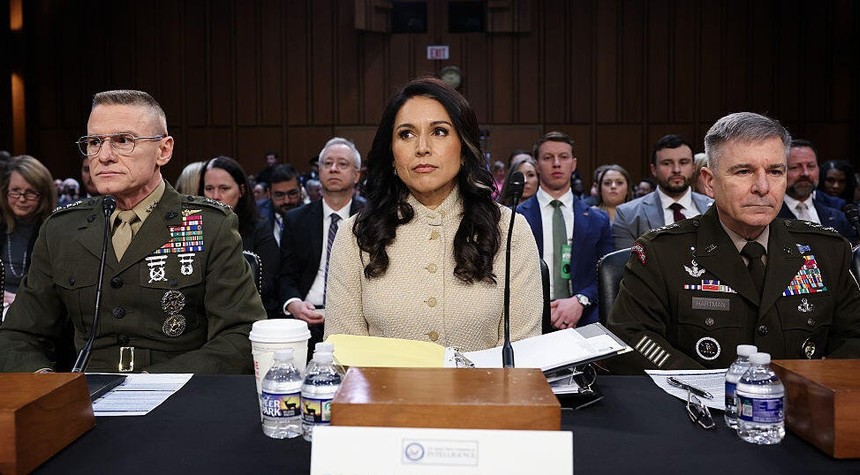
Intelligence Director Tulsi Gabbard faced pointed questioning from Senate Democrats this week regarding the intelligence community’s assessments of Iran’s military capabilities and her presence at a law enforcement operation in Georgia.
Senator Ron Wyden of Oregon challenged Gabbard on what he characterized as predictable consequences of military action against Iran. The intelligence agencies had previously assessed that Iran possessed the capability to inflict damage on attacking forces, execute regional strikes, and potentially disrupt maritime traffic through the Strait of Hormuz.
“Every problem we’re seeing now was not only foreseeable but was predicted by the intelligence agencies,” Wyden stated during the hearing. He pressed Gabbard on whether the intelligence community maintained its assessment regarding Iran’s ability to close the strategically vital Strait of Hormuz in the period leading up to military operations.
Gabbard responded that the intelligence community provided the president and his team with relevant intelligence related to operations in Iran both before and during ongoing activities. She confirmed that intelligence assessments have consistently taken seriously the threat posed by Iran’s missile capabilities and the potential risks to American troops stationed throughout the region.
When Wyden referenced presidential statements suggesting that no experts believed Iran could strike American partners in the Gulf states, he asked whether the intelligence community had assessed such capabilities. Gabbard maintained that the intelligence community continued to assess both potential and existing threats to the region, providing those assessments to policymakers and decision makers.
The hearing took a separate turn when Senator Mark Warner questioned Gabbard about her presence at a law enforcement search of the elections office in Fulton County, Georgia, in late January. Her appearance at the domestic law enforcement operation raised concerns among Democratic senators about the appropriate boundaries of the intelligence director’s role.
Warner directly challenged Gabbard on the legal authority for her involvement in domestic law enforcement activities. Gabbard firmly denied participating in any law enforcement action, stating that such involvement would fall outside her authorities as intelligence director.
She explained that she attended at the president’s request to observe the action alongside the FBI. Gabbard added that she was not aware of the contents of the search warrant that authorized the operation.
The questioning highlighted ongoing tensions between the administration and congressional Democrats over the scope of intelligence operations, both in foreign military actions and in domestic matters touching on election integrity. The exchange underscored the delicate balance intelligence officials must maintain between providing assessments to policymakers and ensuring those assessments inform decision-making processes.
The hearing continues a pattern of scrutiny from Senate Democrats regarding the administration’s use of intelligence in justifying military operations and the appropriate role of intelligence officials in domestic affairs. These questions remain central to congressional oversight responsibilities as lawmakers seek to understand the full scope of intelligence assessments provided to decision makers before significant policy actions.
Related: TrumpRx Website Faces Questions About Effectiveness in Lowering Drug Costs
