
The death of Senator Lindsey Graham has sparked a controversy over flag protocol that extends well beyond the customary expressions of mourning for a fallen public servant.
President Donald Trump honored the South Carolina Republican, calling him a “fantastic man” and “great politician” following Graham’s death over the weekend. The President ordered flags flown at half-staff nationwide through Saturday evening, a traditional gesture of respect for members of Congress who have served their nation.
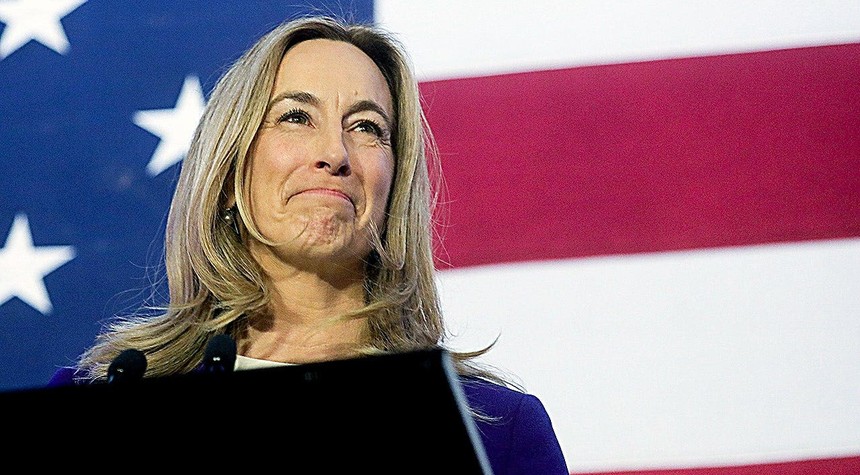
However, several Democratic governors have declined to follow the presidential proclamation, most notably New Jersey Governor Mikie Sherrill. As of midday Thursday, flags at the New Jersey State Capitol remained at full-staff, according to state records and official tracking systems maintained by the New Jersey Department of State.
The decision has drawn sharp criticism from state legislators, including Republican State Senator Joe Pennacchio of Boonton, who formally requested that Sherrill lower the flags earlier this week.
“This is probably the most political administration, and she’s only been there six months, probably the most political governor I’ve served with in the last twenty-five years,” Pennacchio stated Thursday. The veteran legislator emphasized that honoring figures like Graham should transcend partisan divisions.
Sherrill’s office has not responded to multiple requests for comment regarding the flag status.
The New Jersey governor appears to be among a small group of Democratic state leaders choosing not to comply with the White House directive. Neighboring states have taken different approaches. Delaware Governor Matt Meyer and Pennsylvania Governor Josh Shapiro both ordered flags lowered, as did leaders in California, Colorado, and Maryland.
New York Governor Kathy Hochul and Virginia Governor Abigail Spanberger also have not issued half-staff orders, with official state records indicating flags remained at full-staff through Thursday.
Senator Pennacchio argued that Graham’s legacy should command bipartisan respect. The late senator served in the United States Air Force for decades and demonstrated a willingness to work across party lines on critical matters. Graham notably voted to confirm Supreme Court Justices Elena Kagan and Sonia Sotomayor, both appointed by Democratic presidents.
“My request was very respectful. It wasn’t partisan at all,” Pennacchio said, noting that Sherrill herself is a military veteran. He recalled Graham’s public statements defending his confirmation votes, in which the senator explained that his constitutional advise-and-consent role required him to consider whether nominees were qualified regardless of their political affiliation.
The irony has not been lost on observers that Graham, who championed setting aside political differences in moments of national significance, now finds himself at the center of a partisan dispute in death.
Pennacchio had previously worked cooperatively with Sherrill when she served in Congress representing his state Senate district. He expressed disappointment that this spirit of bipartisan cooperation appears to have dissipated.
The question of whether governors will comply with presidential flag proclamations has become yet another fault line in an increasingly polarized political landscape, transforming what was once a routine gesture of respect into a statement of political allegiance.
Related: New York City Mayor Faces Backlash After Housing Advocate Calls Evictions Violence
