
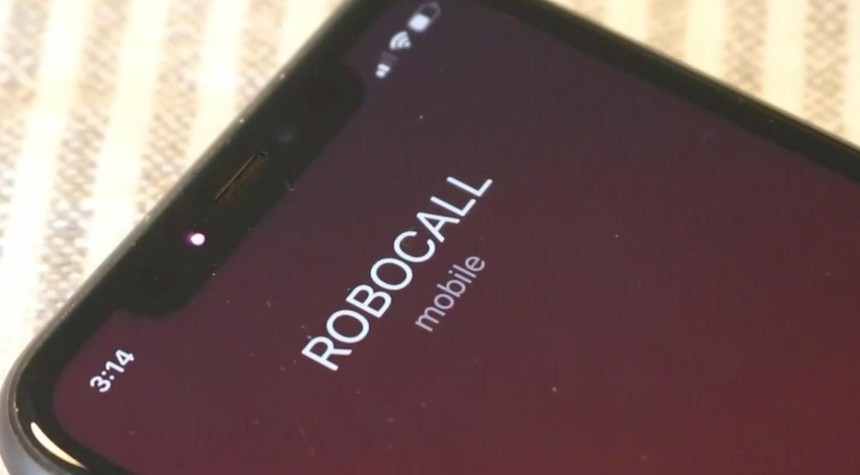
A sophisticated robocall operation is defrauding hundreds of thousands of Americans each week through an elaborate scheme involving impersonation of Walmart employees, according to telecommunications security experts and federal regulators.
The fraudulent operation follows a calculated pattern. Victims receive telephone calls from individuals falsely claiming to represent Walmart, inquiring whether they have authorized the purchase of a PlayStation 5 video game console along with an accompanying 3D headset. When targets deny making such a purchase, the caller offers to assist in canceling the fraudulent order by connecting them with what is purported to be a customer service representative.
It is at this juncture that the scheme turns dangerous. The supposed representative then requests sensitive personal information, including credit card numbers, Social Security numbers, and other private data that can be exploited for identity theft and financial fraud.
YouMail, a telecommunications firm specializing in robocall blocking technology, has been monitoring this phishing campaign in coordination with the Federal Communications Commission. The scope of the operation is considerable, with tens of millions of American consumers identified as potential targets.
The methodology employed by these criminals exploits a fundamental aspect of human psychology. Alex Quilici, chief executive of YouMail, explained that individuals become vulnerable when they perceive an immediate financial threat requiring urgent action. This sense of pressure overrides normal caution, leading otherwise prudent people to divulge information they would typically safeguard.
The facts are straightforward and troubling. This is not an isolated incident affecting a handful of consumers. The scale of this operation, reaching hundreds of thousands weekly, represents a systematic assault on American consumers’ financial security and personal privacy.
Federal authorities and private sector security firms are working to combat this threat, but the technology enabling such fraud remains readily accessible to criminal enterprises. The ease with which perpetrators can deploy these robocall campaigns, combined with the sophisticated social engineering tactics they employ, creates a persistent vulnerability in our telecommunications infrastructure.
Consumers must understand that legitimate retailers do not operate in this manner. Walmart, like other major corporations, does not initiate unsolicited calls regarding purchases that customers have not made, nor do they request sensitive financial information over the telephone.
The defense against such schemes requires vigilance and skepticism. When receiving unexpected calls regarding purchases you did not authorize, the appropriate response is to terminate the call immediately and contact the purported company directly through verified channels. Never provide personal financial information to unsolicited callers, regardless of how legitimate they may appear.
This scam serves as a reminder that as our commerce and communications increasingly move into the digital realm, so too do the methods of those who would exploit our trust for criminal gain. The responsibility falls upon both regulatory authorities to pursue these perpetrators and upon individual citizens to maintain appropriate caution in their daily affairs.
That is the situation as it stands today, and Americans would do well to take heed.
Related: Border Patrol Chief Returns to Chicago as Immigration Enforcement Operations Intensify
