
DAYTON, OHIO — A congressional investigation into a Chinese-owned automotive glass manufacturer has revealed troubling allegations of worker mistreatment and corporate stonewalling at a factory that once symbolized hope for the American Midwest.
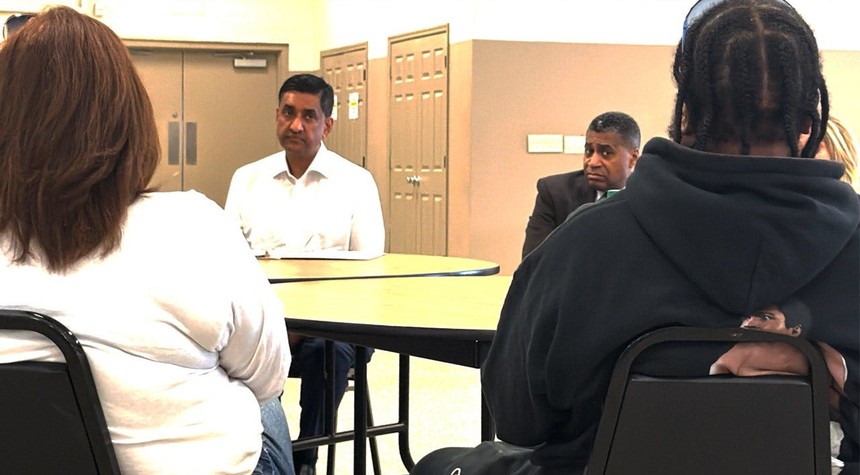
Representative Ro Khanna of California, serving as ranking member on the House Select Subcommittee on the Chinese Communist Party, traveled to Dayton this week to hear directly from former employees of Fuyao Glass America Inc. The company operates out of a former General Motors plant in Lorraine, Ohio, and maintains extensive manufacturing operations throughout the region.
At a gathering hosted by the International Union of Electrical Workers, former Fuyao employees described what they characterized as deplorable working conditions. Tiffany Moore, who worked at the facility for three years, spoke plainly about her experience.
“My experience at Fuyao was not a good experience,” Moore told the assembled group. “The heat in there is unbearable; they don’t care.”
The congressional inquiry centers on serious allegations including wage suppression, substandard worker conditions, and potential violations of United States immigration and labor laws. Representative Khanna had previously sent formal requests to Fuyao’s leadership demanding detailed information on these matters.
The company’s response has been insufficient, according to congressional investigators. In a letter dated October 1st and shared with this publication, Representative Khanna expressed frustration with what he described as Fuyao’s inadequate cooperation.
“Fuyao Glass America Inc. has only provided a single supposed reply letter, dated September 23, that answers virtually none of the Committee’s questions in a material way and fails to include any document submissions,” Khanna wrote to the company’s leadership.
The congressman’s assessment of the situation grew more pointed. “Thus far, a generous interpretation of your approach toward this investigation would be that Fuyao does not appreciate Congress’s oversight function and the American system of government,” he stated. “A less generous interpretation of your lack of transparency would be that your companies have something to hide, beyond even what multiple federal investigations, documentaries, and press reports about Fuyao’s conduct have already uncovered.”
Representative Khanna requested permission to tour the Lorraine facility but received no express authorization from the company. Undeterred by this rebuff, he proceeded with his oversight duties, convening the roundtable with multiple former employees willing to share their accounts.
The investigation raises fundamental questions about foreign investment in American manufacturing and the protection of American workers. When Chinese companies establish operations on United States soil, they assume obligations not merely to shareholders across the Pacific but to the communities and workers they employ here.
The lack of cooperation from Fuyao suggests either a profound misunderstanding of American governmental processes or a calculated effort to avoid scrutiny. Neither interpretation reflects well on the company or inspires confidence in its commitment to operating transparently within our system of laws.
As this investigation proceeds, it will serve as an important test case for how America handles foreign-owned manufacturers operating within its borders, particularly those with connections to nations whose interests may not align with our own.
The former General Motors plant in Ohio once represented American industrial might. What it represents today remains a matter of congressional inquiry and worker testimony.
Related: Gem Hunter Unearths Rare Yellow Diamond Worth Potentially $1 Million in Arkansas
