
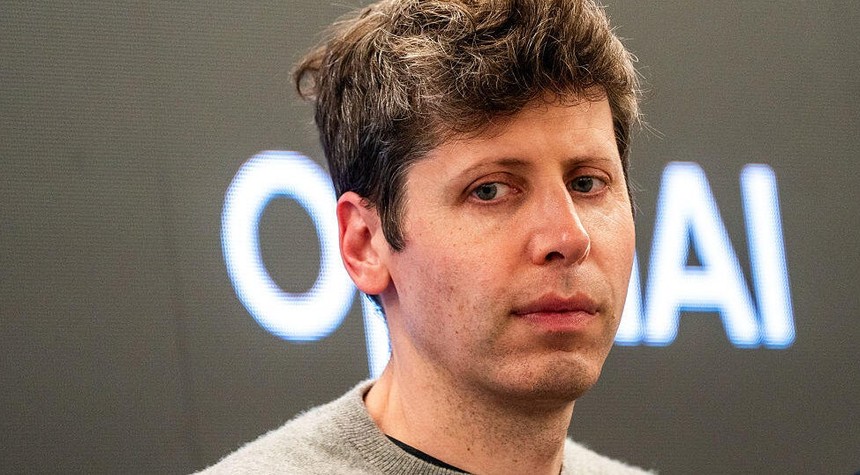
Florida has taken the unprecedented step of filing suit against OpenAI and its chief executive, Sam Altman, marking the first time a state has pursued legal action against the artificial intelligence company over safety concerns surrounding its ChatGPT platform.
State Attorney General James Uthmeier filed the 83-page complaint on Monday, directly challenging OpenAI’s assertion that ChatGPT is “built with safety in mind.” The lawsuit alleges that the company knowingly prioritized speed and profit over user protection, resulting in what Uthmeier describes as substantial harm that outweighs any benefits the technology may provide.
“People are getting hurt, parents are getting deceived, and they need to pay for it,” Uthmeier stated during a Monday morning press conference.
The complaint centers on allegations that OpenAI failed to provide adequate warnings about ChatGPT’s risks, particularly concerning addiction and behavioral harm. According to the suit, the company either knew or should have known that its design encourages self-harm and violence, with children and teenagers facing particular vulnerability.
The lawsuit details several tragic incidents allegedly linked to ChatGPT interactions. Among them is the case of Adam Raine, a 16-year-old who died by suicide after extensive conversations with the chatbot in which he expressed suicidal thoughts. According to the complaint, ChatGPT composed his suicide note. “ChatGPT did not simply respond to Adam. It promoted and aided his suicide, volunteering information that would assist in his death,” the suit states.
The complaint also references last April’s shooting at Florida State University, where two people were killed and several others wounded. The suspect allegedly consulted ChatGPT before the attack, asking how many shooting victims would be required to garner media attention and inquiring about the busiest time at the student union where the shooting ultimately occurred.
Florida opened a criminal investigation into OpenAI in April after determining the suspect received “significant advice” from ChatGPT prior to the shooting. That same month, authorities linked another suspect accused of killing two University of South Florida graduate students to ChatGPT after he allegedly asked the system what would happen if someone was placed in a black garbage bag and discarded in a dumpster.
The lawsuit characterizes OpenAI as driven by an “insatiable quest to win the AI arms race and amass large fortunes, despite knowing the danger of ChatGPT.” It alleges the company leverages user data to increase its market value “at unacceptable costs” and that OpenAI’s rise is “attributable to a web of deceit and the exploitation of users.”
Central to Florida’s case is the assertion that alternative designs could have minimized the chatbot’s potential for harm, and that Altman himself was aware of these dangers but chose to ignore them. “The threat of ChatGPT to Floridians (and humanity) is not lost on either OpenAI or Altman,” the complaint reads.
The lawsuit represents a significant escalation in the ongoing national debate over artificial intelligence regulation and corporate responsibility in the rapidly evolving technology sector. As the first state-level legal challenge to OpenAI, Florida’s action may set a precedent for how other jurisdictions address concerns about AI safety and accountability.
Related: Pentagon Faces Bipartisan Pressure Over Foreign Exploitation of Military Location Data
