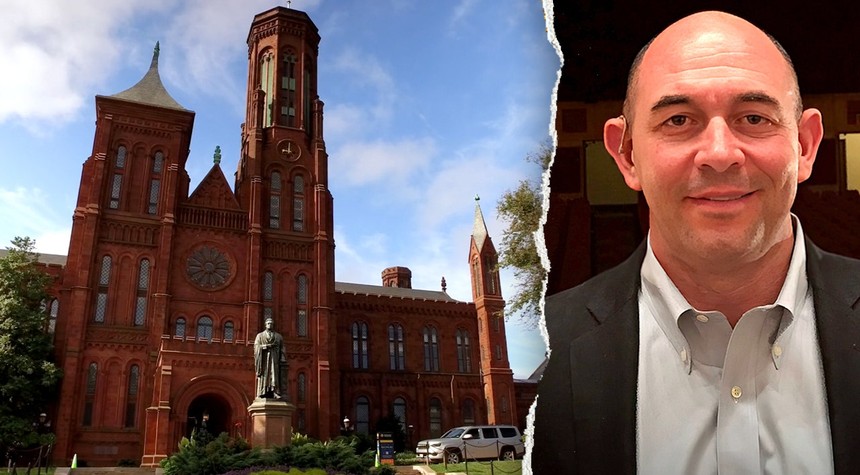
A Black conservative filmmaker is pressing the Smithsonian Institution for answers after the National Museum of African American History and Culture declined to provide a public screening for his documentary examining progressive theories on race and identity.
Eli Steele, director and co-producer of “White Guilt,” has documented his unsuccessful attempts to secure screening dates at the Washington museum, which has regularly hosted public viewings of films exploring racial themes in American history. The documentary, based on a book by his father, prominent Black conservative scholar Shelby Steele, presents a counterargument to prevailing narratives about systemic racism and racial identity politics.
According to communications provided by the filmmaker, museum officials declined his proposed screening dates and instead offered only a private rental option. Subsequent requests for alternative public screening dates have gone unanswered.
The documentary advances the thesis that institutional guilt over America’s racial past, combined with widespread fear of being labeled racist, has driven organizations to elevate racial identity considerations above individual merit. Steele, who is Black, Jewish, and deaf, draws upon his own experiences navigating multiple identity categories to challenge contemporary orthodoxies on race relations.
The filmmaker has pointed to apparent inconsistencies in the museum’s programming decisions. The institution has previously hosted public screenings of numerous documentaries examining race from progressive perspectives, including “13th,” which argues that the exception clause in the Thirteenth Amendment permitting involuntary servitude as criminal punishment enabled continued racial oppression after slavery’s abolition through targeted criminalization of Black Americans.
“The film is professionally shot, the quality is there,” Steele explained. “A comparable film that they’ve shown is ’13th,’ which itself is a very controversial film. So that’s the big question we have here: Do we have viewpoint diversity or do we not? Do you have to be the right kind of Black to be shown at the Smithsonian?”
While Steele has raised questions about the apparent disparity in treatment, he has stopped short of directly accusing the museum of ideological discrimination, expressing hope that other factors may explain the institution’s decisions.
The dispute emerges against a backdrop of mounting tension between the Smithsonian and the Trump administration. The White House has accused the institution of promoting progressive historical narratives and has threatened to restrict federal funding, part of a broader confrontation over representation and perspective in federally supported cultural institutions.
The National Museum of African American History and Culture has featured “13th” in both educational programming and public screenings. The museum has also hosted public viewings of other films including “Hidden Figures” and similar productions examining the African American experience.
The case raises fundamental questions about intellectual diversity and balanced programming at publicly funded institutions. Whether museums receiving federal support have obligations to present varied perspectives on contentious historical and contemporary issues remains a matter of ongoing debate, particularly as cultural institutions face increased scrutiny over their curatorial choices and educational missions.
The Smithsonian has not provided public comment explaining its programming decisions regarding “White Guilt” or addressed the filmmaker’s requests for clarification on alternative screening opportunities.
Related: Riots Sweep Through Paris as Protesters Target Businesses Across French Capital