
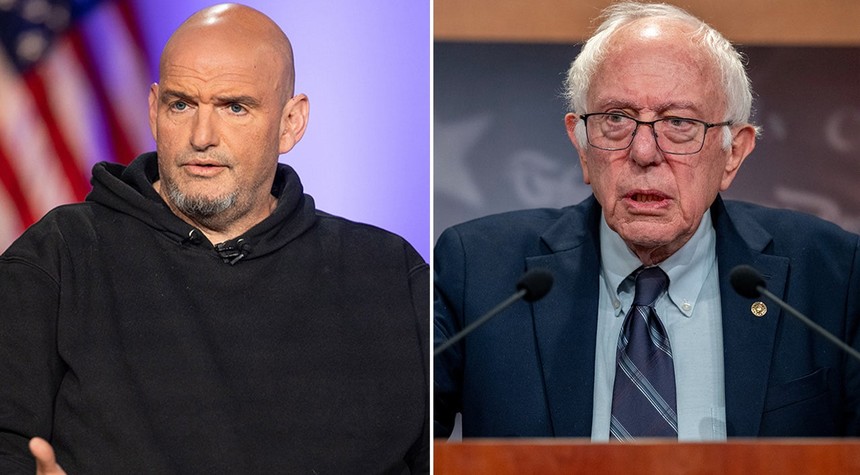
Senator John Fetterman of Pennsylvania has delivered a pointed rebuke to Senator Bernie Sanders of Vermont over the government shutdown that concluded this week, challenging the independent senator to justify his opposition to funding legislation that Fetterman argues put millions of Americans at risk.
The exchange highlights a growing rift within the Democratic caucus over strategy and priorities in negotiations with the Republican majority.
In remarks made Thursday, Fetterman questioned Sanders’ decision to vote against the continuing resolution that ultimately ended what became the longest government shutdown in American history. The Pennsylvania senator asked why Sanders was comfortable “putting 42 million Americans to face mass food insecurity” and leaving military personnel without pay during the impasse.
The criticism came in response to Sanders’ assertion that Democrats who voted with Republicans to reopen the government were enabling policies that could result in 15 million Americans losing Medicaid coverage and causing insurance premiums to increase dramatically for 20 million others.
Eight Senate Democrats broke with their party leadership to support the House-passed continuing resolution on Sunday evening. President Donald Trump signed the measure Wednesday, bringing the extended shutdown to a close.
The standoff between the two parties centered on healthcare provisions within the funding legislation. Republicans maintained that Democrats sought to provide healthcare benefits to individuals in the country illegally, pointing to provisions that would reverse portions of Trump’s comprehensive tax and domestic policy legislation. That earlier law had tightened Medicaid eligibility requirements for non-citizens.
Democrats contested this characterization, arguing their focus was on permanently extending Affordable Care Act subsidies scheduled to expire at the end of 2025. The stopgap measure signed by President Trump does not include an extension of these subsidies, though Senate Majority Leader John Thune of South Dakota has committed to holding a vote in December on legislation addressing these tax credits.
Fetterman, who was among the Democrats voting to pass the continuing resolution, acknowledged sharing some policy priorities with Sanders regarding the extension of tax credits. However, he maintained that the immediate consequences of a prolonged shutdown justified his decision to support the funding measure.
The senator’s willingness to break with progressive colleagues marks a continuation of his independent approach since taking office. Throughout the shutdown negotiations, Fetterman emphasized what he characterized as the practical necessity of keeping the government operational, particularly for essential services affecting food assistance programs, military pay, and aviation safety.
This internal Democratic debate reflects broader tensions within the party over legislative strategy when facing a unified Republican government. While progressive members like Sanders have advocated for holding firm on policy demands, more moderate Democrats have expressed concern about the immediate impact of government shutdowns on vulnerable populations and federal workers.
The December vote promised by Senator Thune on healthcare subsidy extensions will likely serve as the next battleground in this ongoing policy dispute, testing whether the two parties can reach agreement on healthcare provisions that have proven contentious throughout this year’s budget negotiations.
Related: Americans Across Political Spectrum Back Stricter Controls on Abortion Pills
