The Federal Reserve voted Wednesday to maintain current interest rates in what marks the central bank’s final monetary policy decision before the approaching midterm elections. The decision comes at a time when inflation has accelerated from a 3.4 percent annual rate in August to 3.7 percent in September, presenting a continuing challenge for American consumers and policymakers alike.
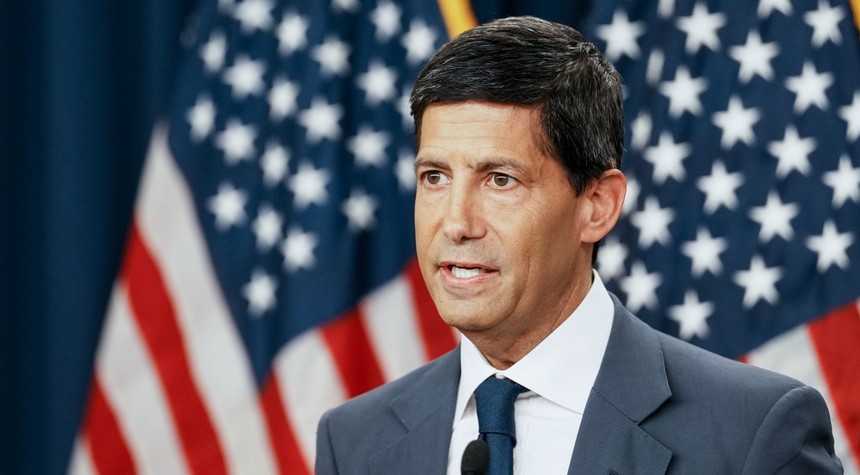
Fed Chairman Kevin Warsh announced during the proceedings that the central bank will implement a significant change to its operational calendar, reducing the number of meetings at which it votes on interest rates from eight to seven next year, with an additional reduction of two meetings by 2028. According to Warsh, this restructuring aims to improve the quality of the Fed’s decision-making process.
The primary driver behind the recent inflation surge has been the escalating costs of gasoline, diesel fuel, and crude oil. These increases have placed substantial strain on household budgets across the nation, and economists have observed that the effects of rising energy prices are beginning to permeate the broader economy.
In its official statement following the decision, the Federal Reserve acknowledged the persistent inflation challenge while indicating that additional economic data would be necessary before proceeding with any rate increases. “Inflation remains elevated,” the statement read. “The accumulation of more information will help the Committee determine the policy stance appropriate to ensure a timely return of inflation to the Committee’s 2 percent goal.”
The Fed’s preferred measure of inflation, the personal consumption expenditures price index, was scheduled for release Thursday and was projected to reach 3.7 percent. Economists at Morgan Stanley noted that this data suggests the Federal Reserve may not have completed its tightening cycle, and that future rate increases will be contingent upon incoming economic indicators.
During his post-meeting news conference, Warsh offered a measured assessment of the current economic landscape. “As we widen the frame to survey the broad economic and financial picture, real activity is clearly pointing in the right direction,” he stated. “That’s good news, but inflation is too high.” He added that energy and related prices have risen again in recent weeks, emphasizing that the Fed’s responsibility is to prevent price increases in specific sectors from spreading throughout the entire economy.
Wednesday’s decision was not unanimous. Two officials, Governor Lisa Cook and Cleveland Fed President Beth Hammack, dissented in favor of implementing a rate hike. The dissent marked the first such vote by Cook, whom President Donald Trump has attempted to remove from her position. This contrasted with September’s unanimous 12-0 vote to raise rates, which represented the first rate increase since 2023.
The Fed’s decision to hold rates steady provides some relief to American consumers already facing economic pressures. Public opinion surveys have consistently identified rising prices, particularly in housing and energy, as primary concerns for voters heading to the polls. Recent polling data indicates significant public dissatisfaction with current economic conditions, with two-thirds of Americans characterizing soaring gas prices as either a very serious or somewhat serious problem. More than half of survey respondents reported that current economic conditions had forced them to alter their grocery purchasing habits.
And that is the way it is.
Related: Health and Human Services Grants Temporary Access to Six Unproven Peptides