
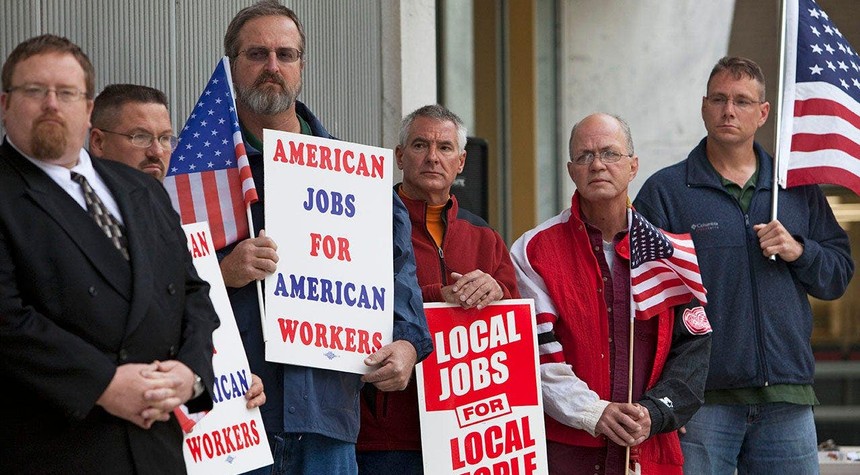
A federal judge in Boston has struck down the Trump administration’s attempt to substantially increase fees for H-1B visa applicants, ruling that the policy constitutes an unauthorized tax implemented without proper congressional approval. The decision arrives amid intensifying national debate over foreign worker programs and their impact on American employment.
The policy in question raised H-1B visa application fees dramatically from the previous range of $2,000 to $5,000 up to $100,000. Administration officials had defended the increase as a mechanism to prioritize American citizens in the domestic job market. The White House has indicated its intention to appeal the ruling.
The judicial decision comes at a moment when public scrutiny of the H-1B visa program has reached new heights, particularly following recent developments at Microsoft Corporation. The technology giant announced plans to eliminate 4,800 positions across its operations, including 1,600 employees from its Xbox gaming division, which produces one of the market’s leading video game consoles.
These layoffs have drawn sharp criticism in light of separate data from U.S. Citizenship and Immigration Services revealing that Microsoft received approval this year to hire 2,273 foreign workers through the H-1B visa program. The juxtaposition of significant American job cuts alongside substantial foreign worker approvals has generated considerable public outcry.
Critics of current H-1B practices argue that corporations exploit the program to reduce labor expenses at the direct cost of American workers’ livelihoods. The program, originally designed to address genuine skill shortages in specialized fields, has faced longstanding accusations of misuse by companies seeking to lower payroll costs rather than fill positions that genuinely lack qualified domestic candidates.
The H-1B visa program permits American companies to temporarily employ foreign workers in specialty occupations requiring theoretical or technical expertise. Technology companies have historically been among the program’s heaviest users, citing needs for specialized programming and engineering talent.
However, the Microsoft situation has crystallized concerns that have simmered for years. When a major American corporation simultaneously dismisses thousands of domestic employees while securing approval to bring in thousands of foreign workers, questions naturally arise about the program’s administration and oversight.
The Boston court’s ruling adds a legal dimension to what has primarily been a political and economic debate. By determining that the administration’s fee increase constitutes an unauthorized tax, the judge has reinforced the principle that significant policy changes affecting immigration and employment must receive proper legislative authorization rather than executive implementation alone.
As this case proceeds to appeal, it represents more than a narrow legal question about administrative authority. It touches fundamental concerns about American workers’ protection, the proper balance between global talent acquisition and domestic employment priorities, and the extent to which executive agencies may reshape immigration policy without congressional action.
The outcome will likely influence not only H-1B program administration but also broader discussions about immigration reform and worker protection in an increasingly globalized economy. For now, the lower fee structure remains in effect while the administration prepares its appellate arguments.
Related: Five-Year-Old Boy Shot While Riding Bicycle Outside Detroit Home
