
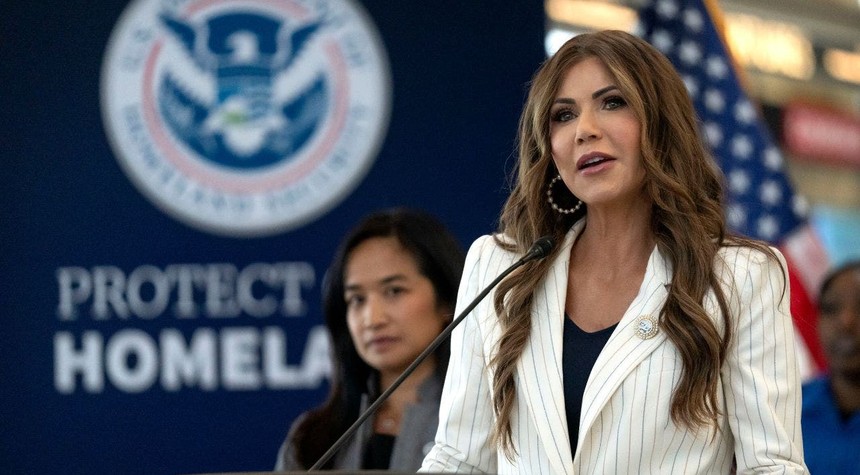
The Department of Homeland Security has initiated a significant operational shift in its immigration enforcement strategy, moving away from large-scale raids and toward targeted operations focused on illegal immigrants convicted of serious crimes.
Under the direction of U.S. Border Patrol Commander at Large Gregory Bovino, federal enforcement teams will now concentrate their efforts on specific individuals with criminal convictions rather than conducting broad sweeps at locations such as Home Depot stores, car washes, and other sites where day laborers congregate.
This represents a marked departure from recent enforcement patterns that targeted individuals based on characteristics including ethnicity, accent, language, or simply their presence at certain locations known for immigrant employment. While traffic stop enforcement will continue, Border Patrol agents are expected to discontinue the practice of apprehending individuals on streets based on appearance or location alone.
The operational adjustment comes at a time when public support for President Donald Trump’s mass deportation policies has experienced a notable decline. A Public Religion Research Institute survey released this week indicates that approval of the President’s handling of immigration matters dropped from 42 percent in March to 33 percent currently.
Additional polling data reinforces this trend. A YouGov survey conducted last month found that a majority of Americans now oppose Immigration and Customs Enforcement operations connected to the administration’s immigration crackdown. Furthermore, a joint survey by the health policy research organization KFF and The New York Times revealed that approximately half of immigrants polled reported feeling less safe under the current administration.
The enforcement operation known as “Operation Catahoula Crunch” in New Orleans, which has received local cooperation, exemplifies the type of targeted approach the administration now appears to be favoring. This operation focuses on specific individuals rather than employing the broad-net methodology of earlier raids.
A federal judge recently added another layer of complexity to enforcement operations by blocking Immigration and Customs Enforcement from conducting warrantless arrests in the District of Columbia without proof of flight risk. This judicial intervention further constrains the operational parameters within which federal agents must work.
The Department of Homeland Security has not issued an official statement detailing the full scope of these policy modifications or the specific criteria that will guide future enforcement priorities. However, the emphasis on criminal convictions as the primary targeting factor suggests an attempt to balance enforcement objectives with growing public concern about the methods and scope of immigration operations.
As these operational changes take effect, questions remain about their long-term implementation and whether they represent a temporary tactical adjustment or a more fundamental shift in the administration’s approach to immigration enforcement.
Related: White House Disputes Democratic Release of Epstein Estate Photographs