
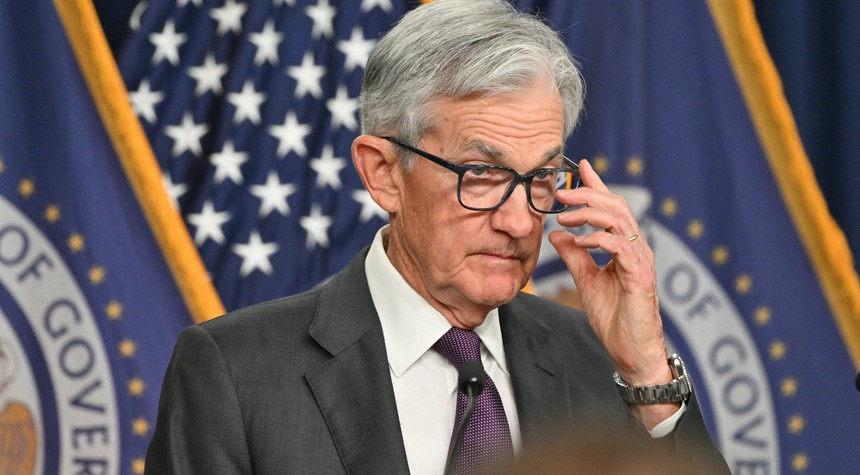
Federal Reserve Chairman Jerome Powell engaged in an unusually intensive round of congressional outreach in the days following the Justice Department’s announcement of a criminal investigation into his testimony regarding the central bank’s headquarters renovation.
Powell’s calendar, released with the customary two-month delay, reveals that the Fed chairman placed 13 calls to members of Congress shortly after publicly accusing the Justice Department of using subpoenas as a pretext to pressure the Federal Reserve into cutting interest rates. The calls, ranging from 10 to 15 minutes each, represented a concentrated effort to communicate with lawmakers during a period of heightened scrutiny.
The calendar entries themselves do not disclose the substance of these conversations. However, the timing and volume of outreach stand in marked contrast to Powell’s typical congressional engagement patterns, despite his well-established practice of maintaining regular contact with Capitol Hill.
Among those contacted were Senators Lisa Murkowski of Alaska, Shelley Moore Capito of West Virginia, Mark Warner of Virginia, Bill Cassidy of Louisiana, John Kennedy of Louisiana, Mitch McConnell of Kentucky, Mike Crapo of Idaho, James Lankford of Oklahoma, and Tim Scott of South Carolina. On the House side, Powell reached out to Representatives Joyce Beatty of Ohio, Maxine Waters of California, Steny Hoyer of Maryland, and House Minority Leader Hakeem Jeffries of New York.
The outreach crossed party lines, encompassing both Republican and Democratic lawmakers in positions of influence on matters affecting the Federal Reserve and its operations.
Powell’s schedule also documented a breakfast meeting with Treasury Secretary Scott Bessent on January 15, occurring four days after the investigation became public knowledge. This meeting represented another element of the chairman’s response to the developing situation.
While Powell has historically maintained more extensive one-on-one contact with members of Congress than his modern predecessors, the week of January 11 marked an exceptional period of activity. Records indicate that the last comparable week of congressional outreach occurred in February of the previous year.
The Justice Department’s investigation centers on allegations related to Powell’s congressional testimony concerning the Federal Reserve’s headquarters renovation project. Powell has characterized the department’s actions as improper pressure designed to influence the central bank’s monetary policy decisions, particularly regarding interest rate adjustments.
The Federal Reserve, as an independent institution, maintains authority over monetary policy separate from executive branch influence. The investigation has prompted concerns among some lawmakers about potential encroachment on that independence.
The revelation of Powell’s extensive outreach efforts provides insight into the chairman’s strategy for managing a sensitive legal and political challenge while maintaining the Federal Reserve’s institutional relationships with Congress. The central bank’s traditional independence from political pressure remains a cornerstone of its credibility in financial markets and its effectiveness in managing monetary policy.
As this matter continues to develop, the intersection of law enforcement authority and central bank independence presents questions that extend beyond this particular investigation.
Related: Trump Throws Support Behind Herrera Following Gonzales Affair Admission
