
A mass shooting at a Minneapolis Catholic church has left two young students dead and over a dozen injured. The incident, which occurred during a school Mass, has shocked the community and raised serious questions about gun violence and mental health in our society.
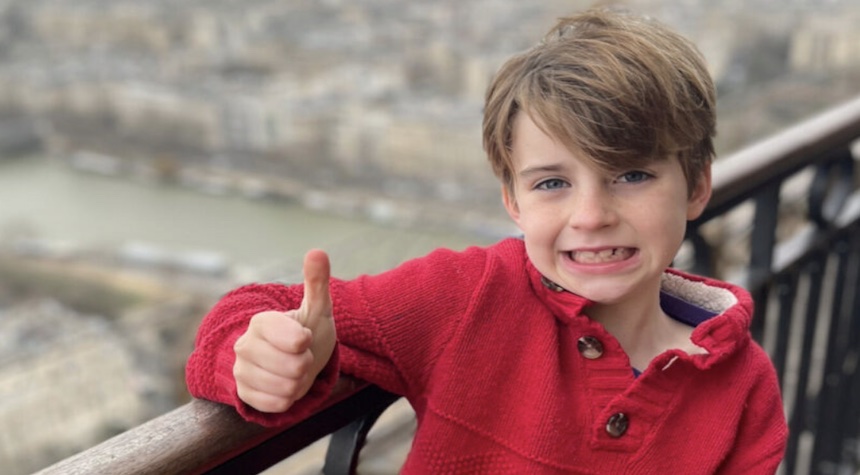
The shooter, identified as 23-year-old Robin Westman, fired 116 rifle rounds through the church’s stained-glass windows on Wednesday. The victims, 8-year-old Fletcher Merkel and 10-year-old Harper Moyski, were among the students attending Mass at Annunciation Catholic School. Minneapolis Police Chief Brian O’Hara reports that surveillance footage shows the shooter never entered the church and could not see the children while firing.
Westman, who once attended the school, left behind videos and writings expressing grievances against various groups. Acting U.S. Attorney Joe Thompson stated that these materials showed “hate towards almost every group imaginable.” FBI Director Kash Patel has characterized the attack as an act of domestic terrorism motivated by hate-filled ideology.
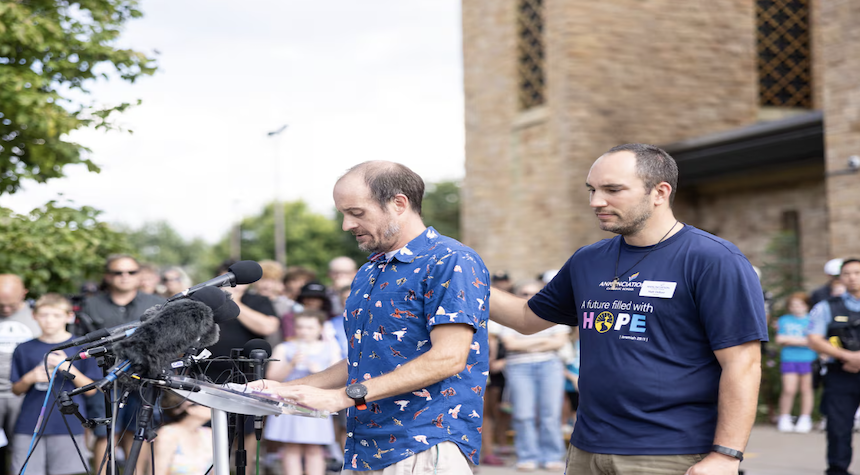
This tragedy has reignited discussions on gun control and mental health support. Harper Moyski’s parents have called for changes to prevent similar incidents, while Fletcher Merkel’s father urges the community to remember his son for his love of family and hobbies, rather than the tragic circumstances of his death.
Related: Community Grieves as Two Minneapolis Catholic School Children, 8 and 10, Killed in Shooting
Investigators have recovered hundreds of pieces of evidence, including writings that suggest Westman had a “deranged fascination” with mass killings. However, no clear motive for targeting this specific church has been established.
While some point to the need for stricter gun laws, others emphasize the importance of addressing mental health concerns. The evidence suggests that a multifaceted approach may be necessary to prevent such tragedies in the future.
This development follows earlier reports of increasing gun violence across the nation. It raises important questions about how society can balance personal freedoms with public safety, and how to identify and help individuals who may pose a threat to themselves or others.
