
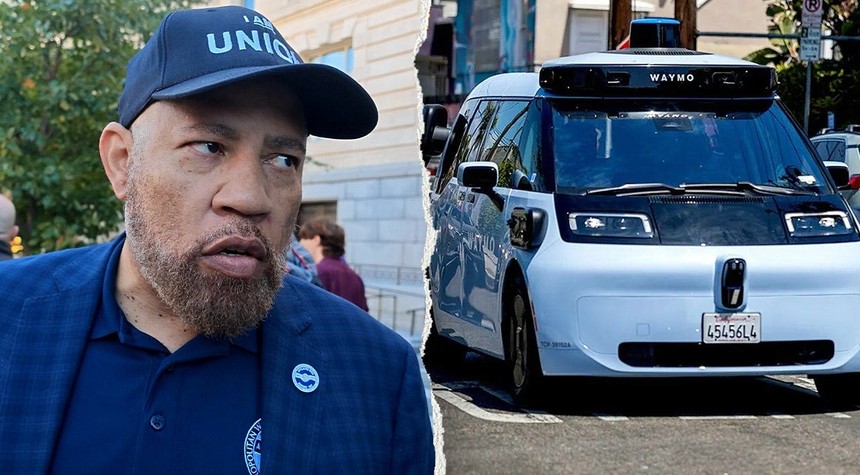
Protesters assembled outside the John Wilson Building in Washington as District council members convened to consider legislation that would authorize driverless rideshare vehicles to operate commercially in the nation’s capital. The demonstration brought together rideshare drivers, union representatives, and religious leaders united in opposition to what they view as a direct threat to their livelihoods.
The Autonomous Vehicle Deployment Authorization Amendment Act of 2026, introduced by Councilmember Charles Allen in May, would establish a program for commercial autonomous vehicles in the District, administered by the Department of Transportation. The legislation would permit companies such as Waymo to offer autonomous taxi services throughout Washington.
The economic implications of this technological advancement have proven significant enough to draw workers into the streets. Those gathered outside the council chambers expressed fundamental concerns about job displacement in clear terms. The protesters argued that an influx of robotaxis would eliminate positions currently held by human drivers who depend on this work to support their families.
One Virginia resident at the demonstration articulated the broader community impact, stating that robotaxis would remove not merely jobs but the means by which families put food on their tables. This sentiment echoed throughout the crowd, where the consensus held that technological progress should not come at the expense of working people’s ability to earn a living.
The debate reflects a larger national conversation about automation and employment. While some protesters acknowledged that certain driving positions might indeed be lost to autonomous vehicles, they proposed alternative solutions. One demonstrator suggested the District should respond proactively by reducing the standard workweek without decreasing wages and expanding employment in public transportation, healthcare, and service sectors. This approach, the argument went, could transform potential job losses into opportunities for better-paying positions.
Proponents of autonomous vehicle technology point to safety data as justification for the legislation. The company Waymo has released figures covering more than 270 million miles of autonomous driving, claiming its vehicles were involved in 82 percent fewer injury-causing crashes and 95 percent fewer serious accidents compared with human drivers operating in the same areas.
The economic argument for robotaxis extends beyond safety to potential cost savings. Supporters have suggested that eliminating human drivers could reduce fares for consumers. However, current market comparisons indicate that Waymo’s pricing structure varies considerably and does not consistently undercut traditional rideshare services such as Uber and Lyft.
As the District council deliberates on this legislation, the fundamental question remains whether technological advancement should proceed when it threatens to displace workers in significant numbers. The protesters have made their position unmistakably clear. They are calling on elected officials to reject the measure and prioritize the economic security of residents who currently earn their living behind the wheel.
The outcome of this debate in Washington may well establish precedent for how other municipalities across the nation balance innovation with employment protection in an increasingly automated economy.
Related: American Truckers Sound Alarm as Diesel Prices Threaten Industry Stability
