
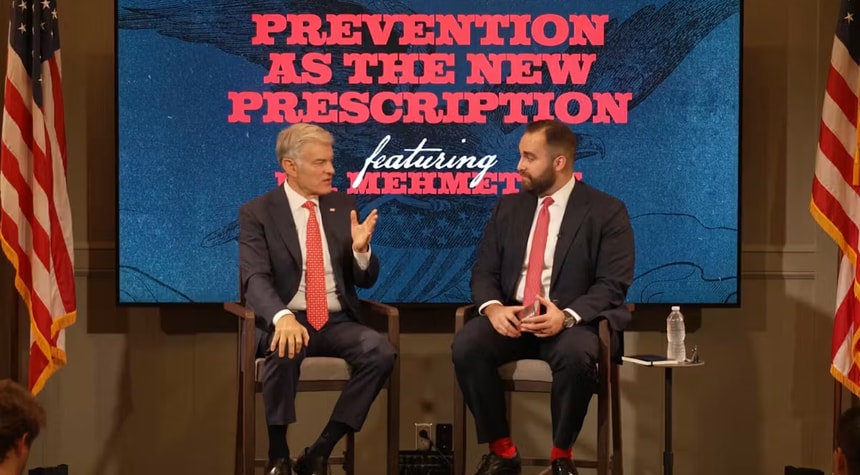
Centers for Medicare and Medicaid Services Administrator Dr. Mehmet Oz offered a full-throated defense this week of expanded access to GLP-1 weight-loss medications, characterizing them as essential tools in addressing the chronic diseases that afflict millions of Americans and drain the nation’s healthcare resources.
Speaking at an event focused on preventive medicine, Dr. Oz presented a sobering assessment of the American healthcare landscape. Seventy percent of healthcare spending, he noted, stems from chronic illness, with obesity serving as the primary driver of this enormous financial burden.
The connection between excess weight and cascading health problems forms the cornerstone of the administration’s argument for broader medication access. Obesity triggers high blood pressure and diabetes, Dr. Oz explained, but these conditions represent merely the beginning of a destructive chain reaction. The downstream consequences include dementia, heart disease, strokes, kidney failure, and certain cancers, all of which place extraordinary strain on an already overburdened healthcare system.
The medications in question, known as GLP-1 drugs, have demonstrated genuine effectiveness, according to Dr. Oz. He cited a decline in the national obesity rate from forty-three percent to forty-one percent over the past two years, suggesting these medications have played a significant role in that improvement. The drugs function by curbing appetite and regulating blood sugar, helping patients achieve meaningful weight loss.
The economic argument carries particular weight in Dr. Oz’s analysis. Treating the complications of obesity proves extraordinarily expensive, he noted, far more costly than preventing the pathology from developing in the first place. America spends twice as much on healthcare as any other developed nation, he stated bluntly, because Americans are twice as overweight.
The Trump administration has moved forward with the Medicare GLP-1 Bridge program, a temporary initiative the president has colloquially termed the "fat shot." The program offers eligible participants access to select weight-loss medications for a fifty-dollar monthly copay through December 2027. The administration contends that broader access could prevent obesity-related illnesses and generate substantial savings across the healthcare system.
Dr. Oz drew sharp contrasts with other developed nations. Europeans maintain an obesity rate of approximately twenty percent, he noted, while Japan’s rate stands at merely five percent. These figures demonstrate that widespread obesity is not inevitable for human populations, undermining any suggestion that current American rates represent a natural or acceptable baseline.
The administrator placed considerable blame on flawed nutritional science that dominated American dietary guidelines for decades. The notion that dietary fat causes body fat, he argued, constitutes a fundamental falsehood that led to disastrous public health consequences. This faulty analysis, influenced by industry interests, prompted a massive surge in processed foods laden with simple carbohydrates. Food manufacturers reduced fat content but replaced healthy fats with synthetically elevated carbohydrates, triggering the dramatic increase in obesity rates.
For Americans reluctant to embrace pharmaceutical interventions, Dr. Oz offered straightforward dietary guidance rooted in common sense. If food emerges from the ground looking the same way it appears when consumed, it is good for you, he said. The human body is biologically designed to consume such food, making this perhaps the simplest and most reliable nutritional advice available.
The GLP-1 medications do carry side effects, including nausea, vomiting, diarrhea, and constipation, factors that patients and physicians must weigh against potential benefits. Nevertheless, the administration appears committed to expanding access as part of a broader strategy to address the chronic disease burden threatening both American health and fiscal stability.
Related: NFL Thanksgiving Games Spark Wave of Stadium Brawls Across the Country