
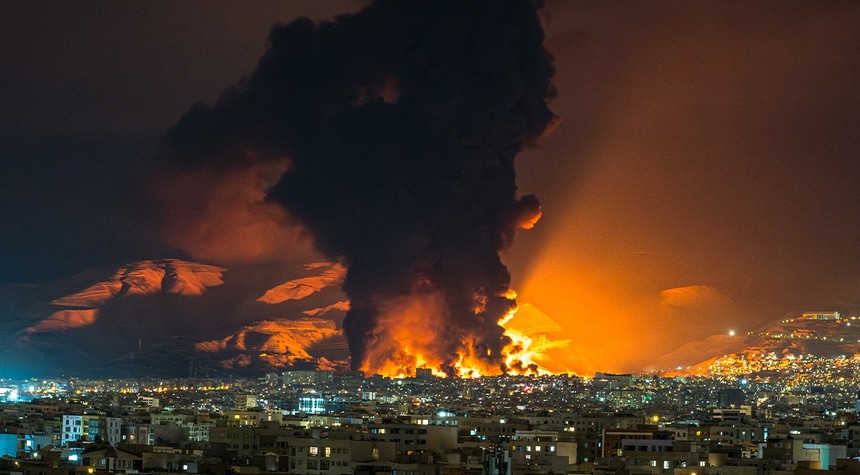
A contentious debate over American military involvement in Iran and the influence of campaign contributions erupted during a televised panel discussion this week, highlighting the sharp divisions over United States foreign policy in the Middle East.
Cenk Uygur, founder of The Young Turks podcast network, engaged in a heated exchange with fellow panelists regarding President Donald Trump’s approach to Iran and the sources of his campaign funding. The discussion, which also featured retired U.S. Army General Ben Hodges, former United Kingdom Ambassador to Iran Sir Richard Dalton, and conservative commentator Ben Ferguson, underscored the intensity of current debate over American strategic interests in the region.
Uygur directed pointed criticism at the administration, specifically citing donations from the Adelson family to the Trump campaign. The podcaster questioned whether such contributions influenced policy decisions, making accusations of corruption and suggesting that American interests were being subordinated to those of Israel.
The White House has not yet responded to requests for comment on these allegations.
The discussion comes at a critical juncture as policymakers and military strategists assess the scope and duration of American involvement in the Iran conflict. Recent reports have highlighted concerns about Iran’s nuclear facilities, including installations built into mountainous terrain that present significant challenges for monitoring and potential military action.
Uygur advocated for complete American withdrawal from the Middle East, arguing that the United States has no strategic interest warranting continued military presence in the region. His position represents a growing segment of opinion that questions the costs and benefits of sustained American engagement in Middle Eastern conflicts.
The debate reflects broader questions facing the administration and Congress about the appropriate level of military commitment. The Pentagon has reportedly requested substantial funding from Congress to support operations related to Iran, a request that has itself become a subject of political controversy.
General Hodges and other panelists offered competing perspectives on American strategic interests, with some arguing that withdrawal would create power vacuums that adversarial nations could exploit. The discussion touched on troop deployment levels, long-term strategic planning, and the balance between diplomatic and military approaches to regional challenges.
The exchange also revealed tensions over how campaign finance influences foreign policy decisions. Questions about the relationship between political donations and policy outcomes have become increasingly prominent in American political discourse, particularly regarding Middle Eastern affairs where multiple stakeholders have significant interests.
As the debate over Iran policy continues, Congress faces decisions about funding levels and authorization for military operations. The administration will need to articulate clearly how its approach serves American national interests while addressing concerns about the influence of outside parties on decision-making.
The intensity of this week’s panel discussion suggests that consensus on Iran policy remains elusive, with fundamental disagreements persisting about both the goals of American involvement and the means of achieving them.
Related: Eight States Move to Block Nexstar’s $6.2 Billion Acquisition of Tegna Broadcasting
