
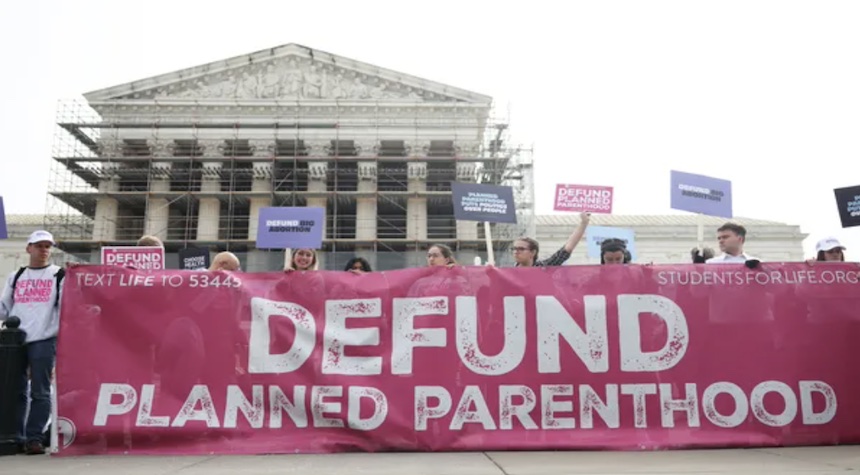
On Thursday, a federal appeals court gave the green light for the Trump administration to proceed with a specific component of a recently passed tax and spending bill. This particular development could potentially restrict Medicaid funding for Planned Parenthood and its members.
Reports from the First U.S. Circuit Court of Appeals, located in Boston, indicate that they have decided to suspend a preliminary injunction. This injunction was initially issued back in July by a lower-court judge who concluded that the law seemed to violate the U.S. Constitution by singling out Planned Parenthood’s health centers, largely due to their provision of abortion services.
You May Also Like: Teen’s Life Cut Short, 6 Others Wounded in Tampa Shooting, Gunman Still on the Run
This specific provision, found in the One Big Beautiful Bill Act passed by the Republican-led Congress, inhibits certain tax-exempt organizations, along with their affiliates, from receiving Medicaid funds if they persist in offering abortions.
Planned Parenthood and some of its affiliates have taken legal action to negate this funding provision. Their argument suggests that the consequences of such a provision could be “catastrophic” for nearly 600 health centers, potentially placing around 200 of them across 24 states at risk of shutting down.
The U.S. Department of Justice informed the 1st Circuit that by suspending the provision, U.S. District Judge Indira Talwani, who was appointed by Democratic President Barack Obama, has overridden the decision of the democratically elected branches of government. According to reliable sources, the premise of this is that “taxpayer funds should not be used to subsidize certain entities that practice abortion – conduct that many Americans find morally abhorrent.”
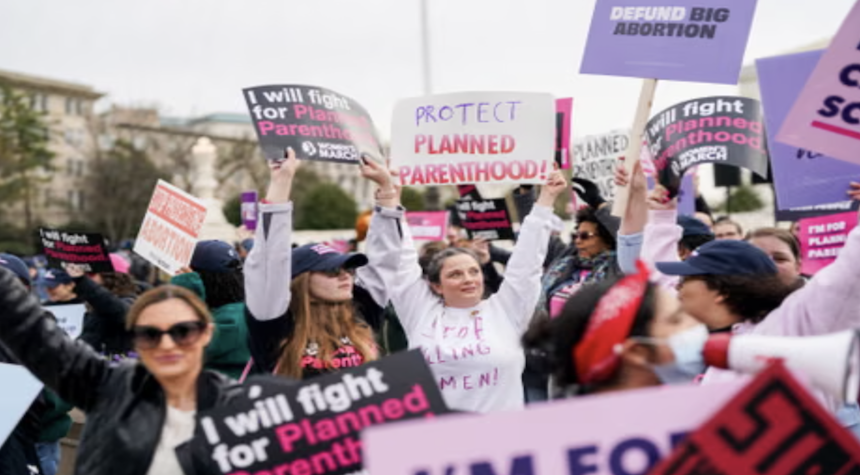
The Justice Department has contested Judge Talwani’s decision, suggesting that her conclusion—that the law constitutes an unconstitutional “bill of attainder”—is based on “flimsy” reasoning. A bill of attainder, a legislative act forbidden by the Constitution, aims to inflict punishment on a group or individual without a trial.
To conclude, this development follows earlier reports that the Supreme Court has only nullified laws passed by Congress five times under that clause, the Justice Department said. This raises important questions about the future of Planned Parenthood and its affiliates, the right to free speech, and the broader implications of this ruling.
