
The artificial intelligence revolution sweeping across America presents a paradox in employment trends that merits careful examination. While technology companies commit billions of dollars to constructing data centers nationwide, the resulting job creation tells a more modest story than the massive capital investment might suggest.
In the near term, the construction of these facilities has generated a notable increase in blue collar employment opportunities. Workers skilled in trades are finding positions as companies race to build the infrastructure necessary to power artificial intelligence systems. However, labor economists caution that these gains may prove fleeting, as construction jobs by their very nature exist only for the duration of a project.
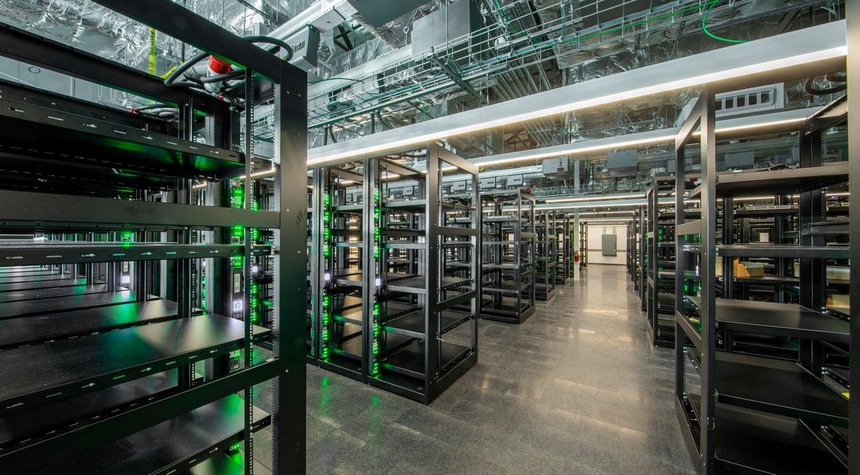
Ben Zweig, a labor economist and chief executive of Revelio Labs, a workforce intelligence firm, offered a sobering assessment of the employment picture. Data centers, he explained, operate with remarkably small staffs relative to their size and economic value. The facilities bear resemblance to server farms that support broadband internet services, requiring minimal human oversight once operational.
Lisa Simon, chief economist at Revelio Labs, elaborated on this reality. The long-term maintenance positions created by data centers remain limited in number. These facilities represent capital-intensive rather than labor-intensive operations, a distinction that carries significant implications for American workers seeking stable employment in the technology sector.
The scale of investment in this infrastructure buildout cannot be understated. Technology companies have committed to spending that could reach seven trillion dollars on data center construction across the United States. Yet this enormous capital deployment does not translate proportionally into permanent job creation.
This development arrives at a moment when some corporations are simultaneously investing in artificial intelligence capabilities while reducing their white collar workforce. The juxtaposition raises questions about the broader employment effects of artificial intelligence adoption across the American economy.
The full impact of artificial intelligence on the nation’s job market remains uncertain and will likely take years to materialize completely. What we can observe now is a temporary boost in construction employment, followed by a transition to facilities that operate with sparse staffing requirements.
For American workers and policymakers alike, these trends demand attention. The promise of technological advancement has historically included the creation of new categories of employment to replace those rendered obsolete. Whether artificial intelligence will follow this pattern or represent a departure from historical precedent remains an open question.
What stands clear today is that the immediate employment benefits of the data center construction boom will prove temporary for most workers involved. The permanent positions that follow will be limited in number, concentrated among those with specialized technical skills necessary to maintain complex computer systems.
As this transformation unfolds, Americans would do well to consider both the opportunities and challenges presented by this new technological frontier. The facts, as they currently stand, suggest caution in expecting widespread job creation from the artificial intelligence infrastructure buildout, despite the unprecedented financial investment flowing into these projects.
Related: Black Hawk Helicopter Intercepts Drug Smuggling Vessel Off Puerto Rico Coast
