
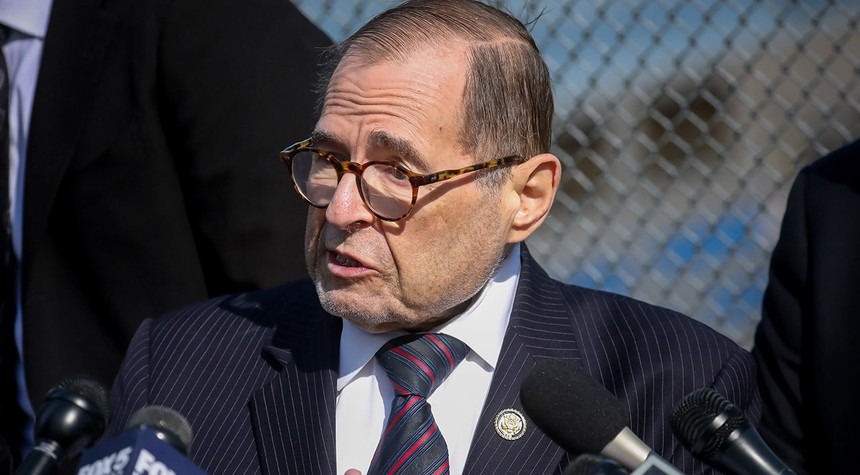
Representative Jerry Nadler of New York drew criticism this week after appearing to sleep during Attorney General Pam Bondi’s testimony before the House Judiciary Committee, raising questions about the 78-year-old lawmaker’s engagement during critical oversight proceedings.
The veteran congressman, now serving his 17th term, was observed with his eyes closed during multiple portions of Wednesday’s hearing, including Bondi’s opening statement in what marked her first appearance before the panel since assuming leadership of the Department of Justice.
Video documentation of the incident captured Nadler with his eyes shut as the attorney general addressed the committee. The episode drew immediate attention from Republican members, with the committee’s majority posting footage of the incident alongside commentary noting that Nadler appeared similarly disengaged during opening remarks delivered by Representative Jamie Raskin of Maryland, the ranking Democrat on the committee.
The incident occurred during what proved to be a contentious hearing. Attorney General Bondi herself characterized portions of the proceedings as descending into chaos, accusing Democratic committee members of engaging in what she termed “theatrics” rather than substantive questioning.
For Nadler, a longtime fixture in Democratic Party politics and a senior member of the Judiciary Committee, the episode represents an uncomfortable moment that has drawn scrutiny from political observers across the spectrum. The congressman has been a prominent voice on matters of justice and constitutional law throughout his lengthy tenure, making his apparent inattentiveness during such a high-profile hearing particularly noteworthy.
The House Judiciary Committee serves as one of Congress’s most important oversight bodies, charged with examining the operations and policies of the Department of Justice. Attorney General Bondi’s appearance represented a significant opportunity for members to question the nation’s chief law enforcement officer on matters of prosecutorial priorities, department policies, and the administration of justice.
The hearing itself reflected the deep partisan divisions that have come to characterize much of congressional oversight in recent years. While Republicans sought to advance their investigative agenda, Democrats worked to defend their positions and challenge the attorney general on various policy matters.
Whether Nadler was actually sleeping or simply resting his eyes remains unclear, though the optics of the situation have proven problematic regardless of the underlying explanation. In an era of heightened political scrutiny and instant social media commentary, such moments quickly become fodder for political opponents and raise legitimate questions about whether aging lawmakers remain capable of fulfilling their demanding responsibilities.
The incident serves as a reminder of the physical and mental demands placed upon members of Congress, particularly those of advanced age who maintain rigorous schedules of hearings, votes, and constituent services. As the average age of congressional leadership continues to rise, questions about stamina and attentiveness have become increasingly relevant to discussions about effective governance.
Neither Nadler’s office nor Democratic leadership on the Judiciary Committee has issued public comment regarding the incident.
Related: Mike Tyson Joins Trump Administration Campaign Against Obesity
