
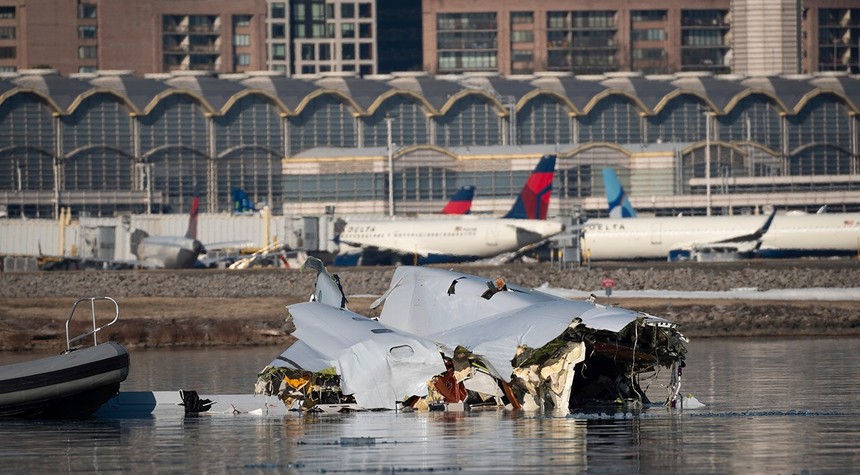
One hundred days after a fatal midair collision near the nation’s capital claimed lives and shook public confidence in aviation safety, the House of Representatives is scheduled to vote Tuesday on comprehensive legislation designed to prevent such tragedies from occurring again.
The proposed measure, formally titled the ALERT Act, represents a significant overhaul of aviation safety protocols and would mandate substantial technological upgrades across the American aircraft fleet. At its core, the legislation addresses what federal safety officials have identified as critical vulnerabilities in the current system.
The bill would require all aircraft operating in busy or controlled airspace to utilize advanced tracking systems that provide pilots with precise information about nearby aircraft and helicopters. These systems, which safety experts have advocated for years, offer capabilities far beyond traditional radar and radio communication methods. Federal aviation safety officials have consistently maintained that such technology could prevent the kind of catastrophic collision that occurred over Washington three months ago.
Beyond the tracking requirements, the legislation mandates the installation of new collision-prevention technology throughout much of the nation’s aircraft fleet. The scope of this requirement would affect commercial airlines, private aircraft operators, and helicopter services alike.
The measure also takes aim at helicopter operations near major airports, requiring a comprehensive review and potential restructuring of flight routes. This provision comes as investigators continue examining the circumstances surrounding the Washington incident.
Perhaps equally significant are the bill’s requirements for the Federal Aviation Administration itself. The legislation would compel the agency to undertake a thorough review and update of air traffic control procedures and training protocols. This internal reform component acknowledges concerns that have been raised about whether current FAA practices adequately address the complexities of modern airspace management.
The families of victims from the Washington collision have been vocal advocates for aviation safety reform. Tim and Sheri Lilley, whose family was affected by the tragedy, have spoken publicly about the need for substantive changes to prevent other families from experiencing similar loss.
The Trump administration has signaled its support for comprehensive aviation safety improvements, though the specific details of the executive branch’s preferred approach to air traffic control reform continue to develop.
The timing of Tuesday’s vote reflects the urgency lawmakers feel about addressing aviation safety concerns. The 100-day mark since the Washington collision serves as a somber reminder of the stakes involved in these policy decisions.
If passed by the House, the legislation would still require Senate approval and the President’s signature before becoming law. However, the bipartisan nature of aviation safety concerns suggests the measure may find receptive audiences in both chambers of Congress.
The question facing lawmakers is not whether improvements are needed, but whether this particular legislation strikes the right balance between enhanced safety and the practical realities of implementing new technology and procedures across a vast and complex aviation system. The vote Tuesday will provide the first clear indication of Congress’s answer to that question.
Related: Bodies of Two Iron Workers Recovered from Philadelphia Parking Garage Collapse
