
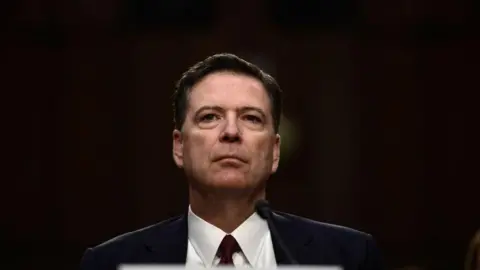
Former FBI Director James Comey entered a not guilty plea Wednesday to charges of making false statements to lawmakers and obstructing a congressional proceeding, setting the stage for a January trial that could have significant implications for both law enforcement oversight and political accountability.
The plea, entered through counsel in the federal courthouse in Alexandria, Virginia, marks a dramatic development in the complex relationship between the nation’s former top law enforcement official and the justice system he once served. Defense attorney Patrick Fitzgerald signaled intentions to challenge the legitimacy of the prosecution, citing concerns about potential political motivation behind the charges.
The case has drawn particular attention due to its timing, coming shortly after presidential calls for prosecution and following significant changes in prosecutorial leadership. The charges each carry maximum penalties of five years imprisonment and fines up to $200,000.
U.S. District Judge Michael Nachmanoff, presiding over Wednesday’s proceedings, set a trial date of January 5th after defense counsel requested expedited proceedings. Both prosecution and defense teams estimate the trial will require only two to three days of court time.
The prosecution’s readiness came under scrutiny during the hearing when defense counsel raised concerns about access to classified documents intended for evidence. Judge Nachmanoff addressed this directly, warning prosecutors that procedural delays would not be tolerated, stating firmly: “I will not slow this case down because the government does not promptly turn over information.”
The case represents a significant shift in prosecutorial approach, as previous investigators had declined to pursue charges, citing insufficient evidence. The current prosecution follows the appointment of new leadership in Virginia’s Eastern District federal prosecutor’s office, which secured a grand jury indictment within its first week.
Comey, who led the FBI from 2013 until his dismissal in 2017, appeared composed during the proceedings, accompanied by his wife, Patrice Failor, and daughter Maureen Comey. When asked by the court if he understood the charges against him, Comey responded with characteristic formality: “I do your honor. Thank you very much.”
The case carries particular weight given Comey’s role in several pivotal moments in recent American political history, including his oversight of investigations into Russian election interference and potential campaign connections during his tenure as FBI Director.
This developing legal battle promises to test not only the specific allegations against Comey but also broader questions about the intersection of law enforcement leadership, political influence, and judicial independence in America’s democratic system.
The trial, scheduled to begin in the new year, will be closely watched by legal experts and political observers alike, as its outcome could have lasting implications for how the nation balances law enforcement accountability with political oversight.
