
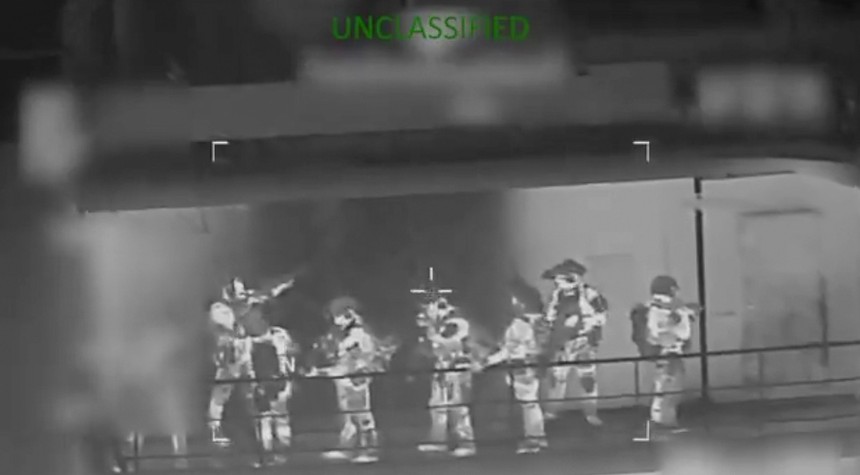
The United States Coast Guard has successfully seized two oil tankers suspected of operating as part of Russia’s shadow fleet, executing coordinated predawn operations in the North Atlantic and Caribbean waters.
The primary vessel, currently named Marinera but formerly known as Bella-1, was intercepted in the North Atlantic after a two-week tracking operation. A second tanker, the Motor Tanker Sophia, was simultaneously boarded in international waters near the Caribbean. Both vessels maintained connections to Venezuela, according to Homeland Security Secretary Kristi Noem.
The Marinera represents a particularly complex case in maritime law enforcement. The Coast Guard initially attempted to seize the empty vessel on December 20 while it transited Caribbean waters, apparently bound for Venezuela. The ship subsequently underwent a transformation that raised additional red flags among American intelligence officials.
On December 31, the Russian Maritime Register of Shipping officially listed the vessel under its new name as a Russian-flagged ship. The crew reinforced this claim by painting a Russian flag on the ship’s hull. Previously, the Bella-1 had sailed under a fraudulent Panamanian flag, a common tactic among vessels seeking to obscure their true ownership and operational purposes.
These ships form part of what Western intelligence agencies have identified as Russia’s shadow fleet, a collection of aging tankers allegedly employed to circumvent international sanctions imposed following Russia’s military actions. The vessels typically operate with obscured ownership structures, falsified documentation, and intermittent transponder usage to avoid detection.
The Marinera’s recent decision to activate its transponder proved instrumental in the American operation, allowing open-source maritime tracking systems to pinpoint its location near Iceland and the United Kingdom. This technological trail provided Coast Guard planners with the precise coordinates necessary for the interdiction.
Russian military vessels were reportedly in the vicinity as the operation unfolded, though no confrontation occurred. The Russian Foreign Ministry issued a statement expressing concern over what it characterized as disproportionate attention from American and NATO forces.
“At present, our vessel is sailing in the international waters of the North Atlantic under the state flag of the Russian Federation and in full compliance with the norms of international maritime law,” the ministry stated. Russian officials questioned the increased military scrutiny given to what they described as a peaceful commercial vessel.
The United States European Command confirmed the North Atlantic seizure through official channels, marking a significant escalation in American enforcement of sanctions against Russian commercial operations. The coordinated nature of the two simultaneous boardings demonstrates the sophisticated planning required for such maritime law enforcement actions.
Secretary Noem characterized the operations as meticulously coordinated efforts targeting ghost fleet vessels, emphasizing that both ships maintained operational connections to Venezuela. The Venezuelan link adds another dimension to the seizures, as that nation faces its own comprehensive sanctions from the United States.
The successful interdiction of these vessels represents a notable achievement in the ongoing effort to enforce international sanctions and disrupt illicit maritime commerce. As tensions continue between Washington and Moscow, the high seas have become yet another arena where these competing interests collide.
Related: Trump Administration Expands Visa Bond Requirements to 38 Countries
