
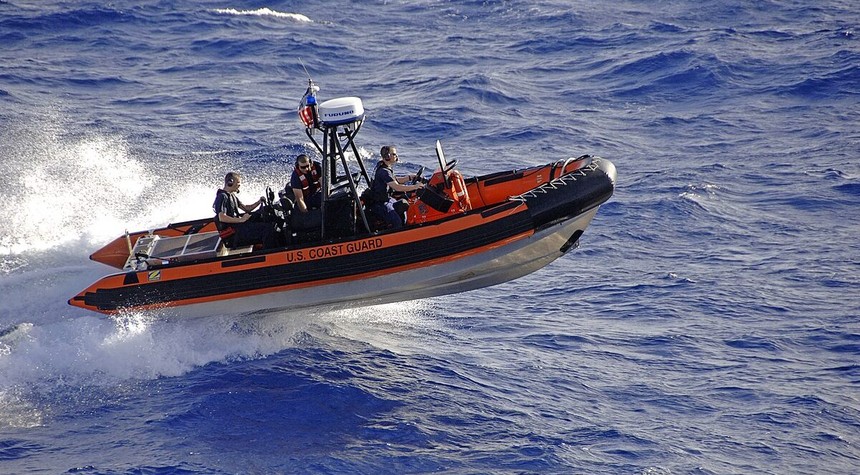
The United States Coast Guard has achieved its strongest recruitment performance in more than thirty years, surpassing its fiscal year 2025 targets across all categories of service members.
Admiral Kevin Lunday, acting commandant of the Coast Guard, announced Friday that the service accessed 5,204 active-duty enlisted members during the fiscal year, reaching 121 percent of its established goal of 4,300 recruits. This represents a substantial increase over the previous year’s figure of 4,422 new members.
“The Coast Guard far exceeded our recruiting goals in Fiscal Year 2025, showing that more Americans want to serve in the Coast Guard than ever before,” Admiral Lunday stated. “We are not just growing. We are bringing in the best talent from across the United States and building the workforce of the future.”
The recruitment success extended beyond active-duty enlisted personnel. The Coast Guard reserve component brought in 777 new members, achieving 104 percent of its target of 750 reservists. Perhaps most notably, the service commissioned 371 new officers, reaching 101 percent of its goal and marking the largest officer recruitment achievement in the branch’s recorded history.
In response to this growth, the Coast Guard announced Monday that it is seeking potential locations for a new training center to accommodate the expanded force structure.
This recruitment achievement represents part of a broader trend across the military services. The Army, Navy, and Air Force all met their fiscal year 2025 recruitment targets months ahead of schedule, while the Marine Corps and Space Force similarly achieved their respective goals. The Army Recruiting Command reported last year that December 2024 marked its most productive month in fifteen years, with recruiters enlisting an average of 346 soldiers daily.
The current recruitment environment stands in marked contrast to the difficulties experienced during the previous administration. The Biden years saw persistent recruiting shortfalls across multiple service branches, challenges that coincided with the implementation of diversity, equity, and inclusion programs throughout the military establishment. While the military did eventually meet its recruiting goals in the final year of that administration, it did so only after several branches reduced traditional qualification standards for incoming service members.
The turnaround in military recruitment suggests a renewed confidence among young Americans in the armed forces’ mission and leadership. For the Coast Guard specifically, which operates under the Department of Homeland Security during peacetime, the recruitment success may reflect both improved public perception and effective outreach by service recruiters.
The Coast Guard’s expanded workforce will support its wide-ranging responsibilities, which include maritime law enforcement, search and rescue operations, environmental protection, port security, and defense readiness. As threats to American maritime interests continue to evolve, particularly in contested waters near strategic competitors, the service’s ability to attract quality personnel becomes increasingly vital to national security.
And that is the way it is.
Related: Canada Loses Measles Elimination Status After 27 Years as United States Faces Similar Threat
