
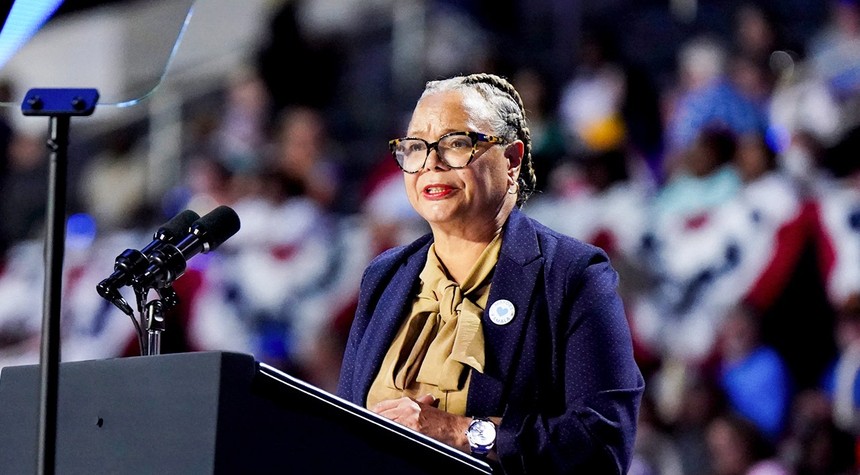
Charlotte Mayor Vi Lyles secured a commanding reelection victory Tuesday evening, capturing more than 70 percent of the vote against Republican challenger Terrie Donovan. With nearly all ballots counted, the result extends Democratic control of North Carolina’s largest city, which has not elected a Republican mayor since Pat McCrory departed the office in 2009.
The decisive margin comes at the end of a year marked by significant controversy over public safety and the mayor’s response to violent crime on the city’s public transportation system.
In August, 23-year-old Iryna Zarutska, a Ukrainian refugee who had come to America seeking safety from war, was stabbed to death while riding the Lynx Blue Line train after completing her work shift. The random and brutal attack, captured on video that subsequently circulated widely, sparked intense debate about crime and security in Charlotte’s public spaces.
The suspect charged in Zarutska’s murder, 34-year-old Decarlos Brown Jr., had accumulated a lengthy criminal record with more than a dozen prior arrests. Mayor Lyles’ initial response to the tragedy drew sharp criticism from Republicans and concerned citizens alike. Rather than focusing on Brown’s extensive criminal history, the mayor emphasized what she characterized as root causes, specifically mental health issues and homelessness.
“Tragic incidents like these should force us to look at what we are doing across our community to address root causes,” Lyles stated following the August 22 killing and Brown’s arrest. “We will never arrest our way out of issues such as homelessness and mental health.”
Republican critics contended that such remarks demonstrated an unwillingness among Democratic leadership to hold repeat offenders accountable for their actions. The mayor later acknowledged that she wished she had addressed the community more promptly following the incident.
Additional controversy surrounded Lyles’ administration when a $305,000 separation package paid to outgoing Charlotte Police Chief Johnny Jennings prompted a state audit over concerns about transparency and appropriate use of public funds.
Despite these challenges, Charlotte voters delivered Lyles a fourth term in office. The mayor also achieved another policy objective Tuesday as voters approved a transportation sales tax she had championed for years. The measure will fund billions of dollars in road, bus, and rail infrastructure projects throughout the city.
Lyles previously won reelection in 2023 with 74 percent of the vote, demonstrating consistent support among Charlotte’s electorate even as debates over crime, public safety, and the appropriate balance between addressing criminal behavior and underlying social issues continue to divide the community.
The election results suggest that Charlotte’s predominantly Democratic voters remain aligned with their mayor’s approach to governance, despite vocal opposition from Republicans who argue for stricter enforcement measures against repeat offenders. As the city continues to grow and grapple with urban challenges common to major metropolitan areas, the tension between these competing visions for public safety policy appears likely to persist.
Related: Rep. García Steps Aside as Chief of Staff Files to Replace Him on Ballot
