
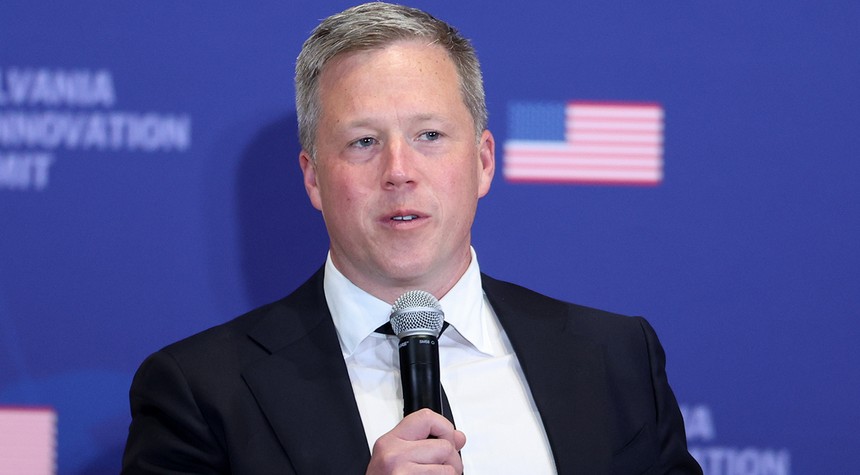
Army Secretary Dan Driscoll has submitted his resignation to President Donald Trump, according to a senior U.S. official, in what appears to be the latest development in growing tensions between civilian military leadership and the Pentagon’s top brass.
The resignation has not yet been accepted by the White House and remains pending. Sources close to the matter indicate that Driscoll’s decision stems from fundamental disagreements with Secretary of War Pete Hegseth regarding the Army’s transformation efforts and overall readiness.
According to individuals familiar with the situation, Driscoll raised concerns directly with the administration about what he perceived as obstruction of critical Army modernization initiatives. Specifically, Driscoll reportedly objected to Hegseth’s decision to remove several senior Army generals who had been instrumental in leading transformation efforts within the service branch.
The situation came to a head following Hegseth’s removal of Army Chief of Staff General Randy George, a decorated officer with 42 years of service and a Purple Heart recipient. During an April 16 House Appropriations subcommittee hearing, Driscoll recounted the personal impact of George’s departure, describing how he left his family vacation in North Carolina to visit the general at his home immediately after learning of the resignation request.
“We walked right in, and we all gave him a hug,” Driscoll told lawmakers. “There is no person that has more respect for General George and his 42 years of service, his Purple Heart, his wife, Patty, their grandkids, their kids. I adore them, and he was an amazing, transformational leader.”
Despite his obvious disagreement with the decision, Driscoll acknowledged the constitutional structure of civilian control over the military. “The design of our system is that they get to pick the leaders that they want, and we execute on those orders,” he stated.
The friction between Driscoll and Hegseth represents a significant development in the Trump administration’s approach to military leadership and readiness. The Army has been undergoing substantial transformation efforts aimed at preparing for potential future conflicts, particularly concerning near-peer adversaries. The removal of experienced generals responsible for implementing these changes has raised questions about continuity and strategic planning within the service.
Driscoll is expected to depart the Pentagon in the coming days, though the exact timeline remains unclear pending White House action on his resignation.
The situation underscores the delicate balance between political leadership and military expertise, a tension that has existed throughout American history but which occasionally comes to the forefront during periods of significant military restructuring. The question now facing the administration is whether new leadership can maintain the momentum of Army transformation while addressing the concerns that led to these high-level departures.
Related: Data Center Growth Brings Economic Revival to Rural American Communities
