
Three of America’s most visited national parks will eliminate advance reservation requirements beginning this year, marking a significant shift in federal policy aimed at expanding public access to protected lands.
The National Park Service announced that Arches, Glacier and Yosemite national parks will discontinue the timed-entry systems that have regulated visitor flow during peak summer months in recent years. Yosemite will additionally remove reservation requirements for its highly sought-after “firefall” viewing period this season.
The decision represents a deliberate move by the Department of the Interior to reduce barriers between Americans and their public lands. Kevin Lilly, acting assistant secretary for Fish, Wildlife and Parks, stated that the agency’s fundamental priority remains keeping national parks open and accessible to all citizens.
“Our national parks belong to the American people,” Lilly said in an official release, emphasizing the administration’s commitment to expanding access wherever conditions permit while maintaining necessary protections for visitor safety and park resources.
The timed-entry systems were implemented in recent years as park administrators grappled with unprecedented visitor numbers during summer months. The reservation requirements were designed to limit the number of people entering parks simultaneously, theoretically reducing congestion and environmental impact on sensitive areas.
However, the systems also created new obstacles for American families seeking spontaneous visits to public lands. Critics argued that advance reservation requirements fundamentally altered the character of national park visits, transforming what should be accessible public spaces into destinations requiring advance planning comparable to securing concert tickets.
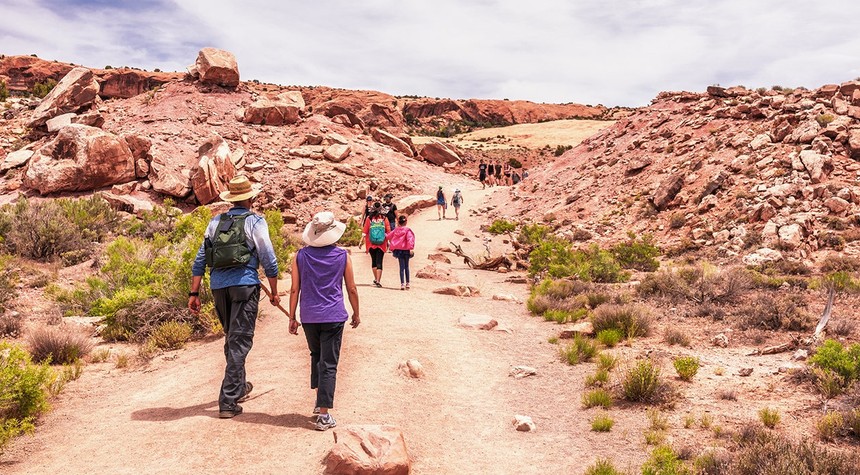
The policy change affects three geographically diverse parks that draw millions of visitors annually. Arches National Park in Utah features distinctive red rock formations and natural stone arches. Glacier National Park spans the Montana-Canada border with alpine terrain and pristine wilderness. Yosemite National Park in California’s Sierra Nevada mountains attracts visitors to its granite cliffs, waterfalls and giant sequoia groves.
In a separate development, Interior Secretary Doug Burgum revealed plans for Theodore Roosevelt National Park to deploy artificial intelligence technology enabling visitors to engage with the conservation-minded former president. The initiative would allow Americans to interact with Roosevelt’s environmental philosophy and legacy more than a century after his presidency concluded.
The dual announcements signal the current administration’s approach to federal land management, balancing technological innovation with expanded physical access. The elimination of reservation systems at three major parks suggests confidence that visitor numbers can be managed through alternative means without compromising park resources or safety.
Park officials have not specified what alternative crowd management strategies, if any, will replace the timed-entry systems. The success of this policy shift will likely be measured by whether parks can maintain environmental standards and visitor experience quality without the regulatory framework that reservation systems provided.
For millions of Americans who visit national parks annually, the change means greater flexibility in planning trips to some of the nation’s most spectacular natural landscapes.
Related: Mexican Military Operation Kills Major Cartel Leader El Mencho
