
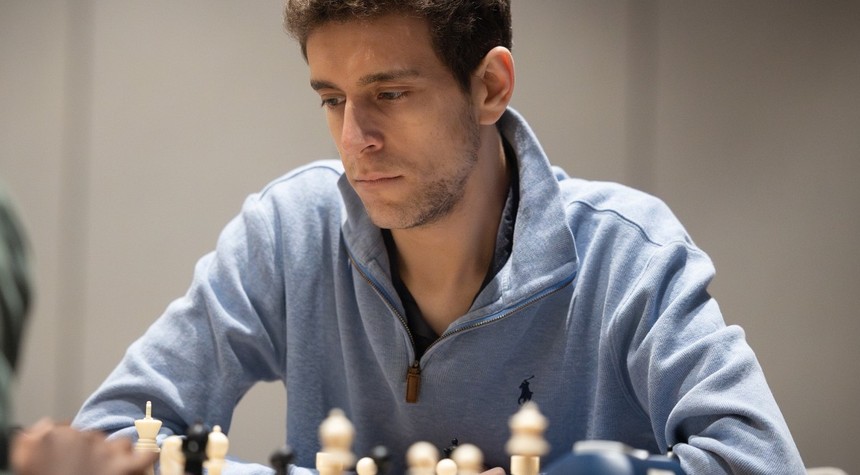
The chess world is reeling from the untimely death of American grandmaster Daniel Naroditsky at age 29, with the tragedy igniting fierce debate over professional conduct and accountability in competitive chess. The incident has brought to light a disturbing pattern of unsubstantiated cheating allegations that plague online chess competition.
Former Russian world champion Vladimir Kramnik stands at the center of mounting criticism for his relentless campaign against Naroditsky, whom he accused of cheating in online matches without providing concrete evidence. The accusations, which began last year, evolved into what many in the chess community now characterize as a systematic harassment campaign.
Facts paint a clear picture of escalating hostility. Kramnik repeatedly demanded investigations into Naroditsky’s play, made public accusations on chess forums, and reportedly threatened legal action. These actions directly contradicted standard protocols for handling suspected cheating cases, which typically involve confidential investigations through proper channels.
In Naroditsky’s final interview before his death, he described Kramnik’s campaign as “a sustained, evil and absolutely unhinged attempt to destroy my life” – words that now carry heightened significance given subsequent events. The statement reflects the devastating impact that unfounded accusations can have on professional reputations and mental well-being.
Indian grandmaster Nihal Sarin, who played Naroditsky’s last match, confirmed the American champion was under “immense stress due to baseless accusations.” This testimony adds to mounting evidence that online harassment in professional chess has reached critical levels requiring immediate attention.
The chess community’s response has been swift and decisive. Prominent players and organizations are calling for stricter regulations on public accusations and enhanced protections for players facing harassment. Some advocate for Kramnik’s removal from professional platforms, arguing that his behavior represents a dangerous precedent in competitive chess.
This tragedy underscores a broader issue in professional sports: the tension between maintaining competitive integrity and protecting individuals from unfounded accusations. The chess world must now grapple with establishing clear boundaries between legitimate concerns and harmful harassment.
The incident serves as a stark reminder that even in the intellectual realm of chess, the consequences of unchecked hostility can be devastating. As the community mourns Naroditsky’s loss, serious questions emerge about responsibility, accountability, and the future of online chess competition.
Moving forward, this event may catalyze meaningful reform in how chess organizations handle accusations of cheating and protect their players from harassment. The chess world’s response to this tragedy will likely shape professional gaming culture for years to come.
Related: Music Industry Giant Diddy Challenges 50-Month Prison Term
