
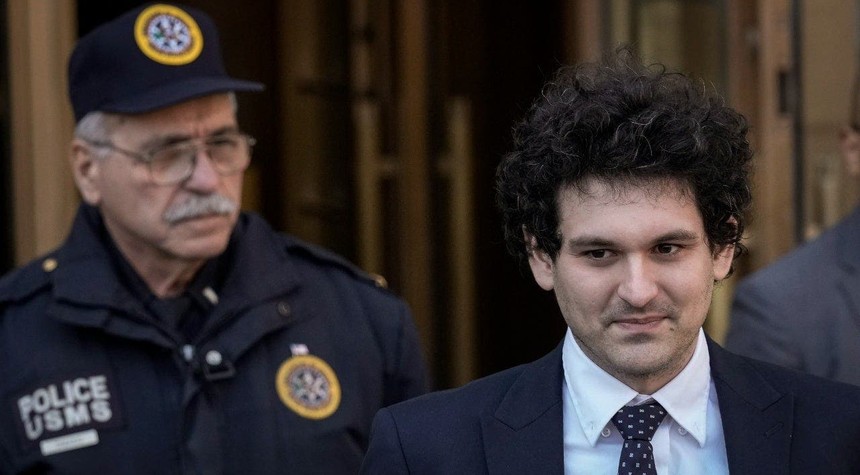
The artificial intelligence industry finds itself at a crossroads, with one of its leading companies pursuing a regulatory strategy that bears striking similarities to the approach once championed by convicted cryptocurrency fraudster Sam Bankman-Fried.
Anthropic, the company behind the Claude chatbot, has mounted an extensive Washington influence campaign while simultaneously calling for increased government oversight of artificial intelligence. The strategy mirrors Bankman-Fried’s now-discredited efforts to shape cryptocurrency regulation, raising questions about the motivations behind corporate calls for government intervention.
Both entities poured millions of dollars into shaping policy debates while publicly arguing that regulation was necessary to protect consumers and ensure industry safety. The parallels end at execution, however. Bankman-Fried’s political operation became central to criminal charges involving illegal campaign contributions, while Anthropic has operated through disclosed lobbying and advocacy channels.
The distinction matters, but so does the pattern. Bankman-Fried later admitted in private messages that his public stance on regulation was essentially window dressing. “Just PR,” he wrote in a social media exchange published after his FTX empire collapsed.
Anthropic denies any similar calculation. The company maintains its push for AI regulation stems from genuine concern about national security and public safety risks posed by increasingly powerful artificial intelligence systems.
Chief Executive Dario Amodei has advocated for mandatory testing and auditing of advanced AI models. The company has committed substantial resources to lobbying policymakers and supporting organizations that favor stricter AI regulations.
Critics suggest a different motivation. David Sacks has accused companies like Anthropic of weaponizing safety concerns to avoid antitrust scrutiny and establish what amounts to an industry cartel. The argument holds that incumbent firms benefit when regulatory barriers make it harder for competitors to enter the market.
This debate unfolds against a complex political backdrop. Anthropic now finds itself engaging with a Trump administration that has prioritized rapid AI development and American technological dominance. The administration has warned that falling behind in artificial intelligence could carry severe economic and national security consequences.
Amodei joined other major technology executives at the White House in late September, where they signed a voluntary agreement outlining safety standards for companies developing powerful AI systems. The gesture represented a delicate balance between innovation and oversight.
The comparison to Bankman-Fried remains uncomfortable for the AI industry. Before his conviction for fraud, the former FTX executive lobbied aggressively for a regulatory framework led by the Commodity Futures Trading Commission. He presented his preferred approach as necessary to protect customers and provide clarity to the cryptocurrency industry.
Bankman-Fried prominently supported the Digital Commodities Consumer Protection Act, legislation that would have created such a framework. His support came with substantial campaign contributions that later formed part of the criminal case against him.
The question facing policymakers is whether Anthropic’s regulatory advocacy represents a genuine effort to address serious risks or a sophisticated strategy to cement competitive advantages. The answer will help determine how America approaches one of the most consequential technologies of this generation.
What remains clear is that the nation cannot afford to repeat the mistakes of the cryptocurrency regulatory debate. The stakes are considerably higher when the technology in question may fundamentally reshape economic productivity, national security capabilities, and the nature of human knowledge itself.
Related: Lina Khan Dismisses Tech Industry Pledge to Police Artificial Intelligence Development
