
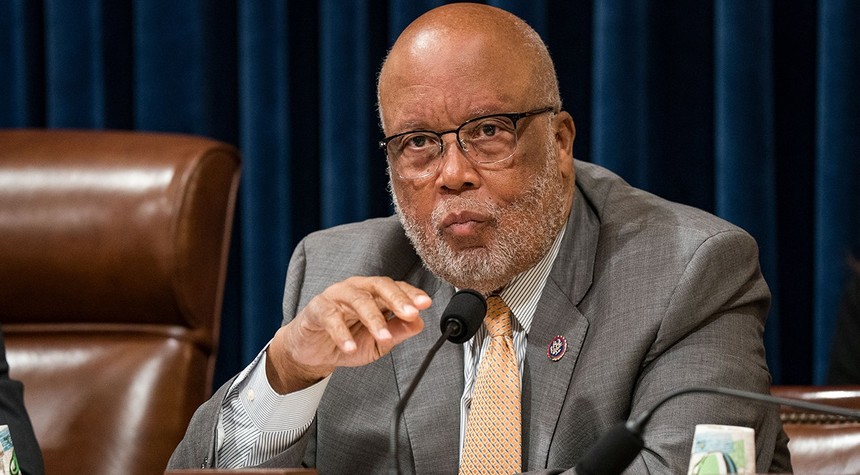
Mississippi Congressman Bennie Thompson faces a significant primary challenge from 33-year-old Evan Turnage, who has made the incumbent’s lengthy tenure and the district’s persistent poverty central issues in the Democratic race.
Thompson, who has represented Mississippi’s Second Congressional District since 1993, finds himself defending his three-decade career in Congress amid broader discussions within the Democratic Party regarding age and leadership transitions. The challenge comes at a time when several long-serving members of Congress face questions about whether new leadership might better serve their constituents.
Turnage has mounted a direct campaign questioning the results of Thompson’s extensive time in office. In a recent campaign advertisement, the challenger highlighted a stark reality facing the district’s residents.
“We live in the poorest district in the poorest state in the country. That was true when I was one when our congressman was first elected. It’s true today,” Turnage stated. “If our congressman’s 33 years in office had helped build up this district, built health and wealth in this district, there would be no need for change.”
The challenger’s argument centers on measurable outcomes. Despite Thompson’s long service and senior position in Congress, Mississippi’s Second District continues to struggle with poverty rates that rank among the highest in the nation. Turnage suggests that this persistent economic distress indicates a need for new representation and fresh approaches to the district’s challenges.
Thompson has pushed back against suggestions that his time in office has been too long, though specific details of his defense were not immediately available. The congressman holds significant seniority in the House of Representatives and has chaired important committees, positions that typically bring considerable influence and resources to a member’s district.
The Mississippi primary battle reflects a larger tension within the Democratic Party. Younger members and challengers increasingly question whether long-serving representatives, regardless of their experience and institutional knowledge, remain the best choices to lead districts forward. This generational debate has gained momentum in recent years as the party grapples with questions of succession and renewal.
The economic conditions in Mississippi’s Second District provide concrete evidence for both sides of this argument. Supporters of Thompson can point to his seniority and committee positions as assets that should benefit the district. Turnage and his supporters, however, argue that the district’s continued poverty despite decades of the same representation speaks for itself.
This primary challenge arrives as Democrats nationwide wrestle with similar questions about leadership, age, and effectiveness. The outcome in Mississippi may offer insights into how voters weigh experience against calls for change, particularly when economic conditions remain difficult despite long-term representation.
The race will test whether voters in one of America’s poorest districts believe that Thompson’s experience and institutional knowledge outweigh the appeal of new leadership promising different approaches to persistent problems.
Related: D.C. Bar Files Misconduct Complaint Against Federal Pardon Attorney
