

A man from Alabama, who has been on death row for over three decades, has been granted a new trial by a federal judge. Christopher Barbour, now 56, is viewed with fresh eyes as recent DNA tests question his 1992 murder conviction. Mr. Barbour’s case is a complex one, one that involves a recanted confession, a claim of police coercion, and newly uncovered evidence that could reshape the narrative of a decades-old crime.
Barbour was found guilty of the deadly stabbing of Thelma Bishop Roberts in Montgomery. The cornerstone of the state’s case against Barbour was his confession, where he admitted to aiding another man in assaulting Roberts before her murder. However, court documents reveal that Barbour later recanted this confession, maintaining that police coerced him into admitting guilt. His defense team has consistently alleged that a detective physically assaulted Barbour to obtain this confession.
DNA testing performed in 2021 unveiled new evidence. The tests showed that the semen present on the victim’s body belonged to Roberts’ neighbor, a man currently incarcerated for an unrelated murder. This discovery led Barbour’s legal team to argue that their client’s innocence was “patently clear”.
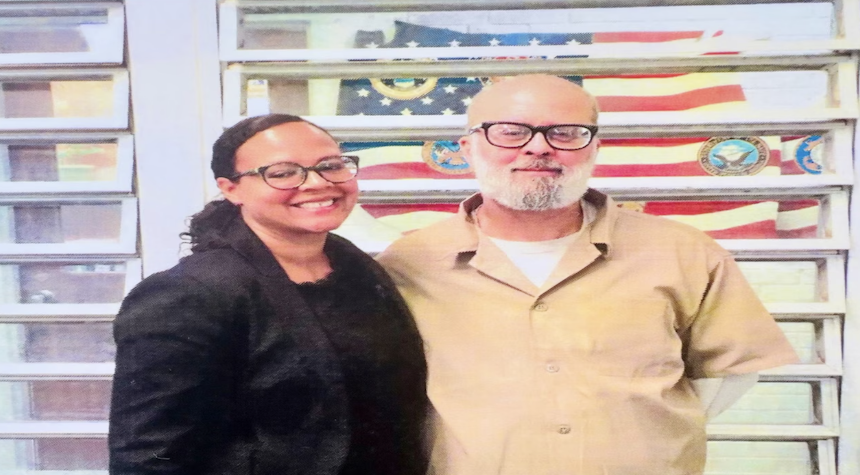
Chief U.S. District Judge Emily C. Marks, in her order for a new trial, stated that Barbour’s conviction was tainted due to the prosecution’s failure to share initial forensics reports. These reports would have excluded Barbour and the man he claimed assaulted the victim as the source of the DNA. Judge Marks argued that this information could have been utilized to cast doubt on Barbour’s confession, which was the primary evidence against him at the original trial.
“Barbour has shown that the prosecution’s knowing use of false evidence may have affected the outcome of the trial,” Marks wrote, highlighting a potential violation of Barbour’s constitutional rights to due process under the 14th Amendment. This raises important questions about the integrity of the original trial.
Also Read: Rhode Island Prosecutor Placed on Unpaid Leave After Threatening Police During Arrest
The state has pushed back against this ruling, arguing that the new DNA evidence does not necessarily exonerate Barbour. They intend to appeal the decision. Despite this, Judge Marks has given the state 90 days to begin preparations for Barbour’s new trial, a direct result of the civil case that Barbour filed, alleging a violation of his rights.
Barbour’s claim of innocence has not been ruled upon by Judge Marks, who stated that Barbour can “argue as much to a jury.” The new DNA information, she noted, is powerful evidence that might prove Barbour’s confession to be false. Christopher Barbour, an Alabama man who has been on death row since 1994, will now have a chance to plead his case afresh.
