
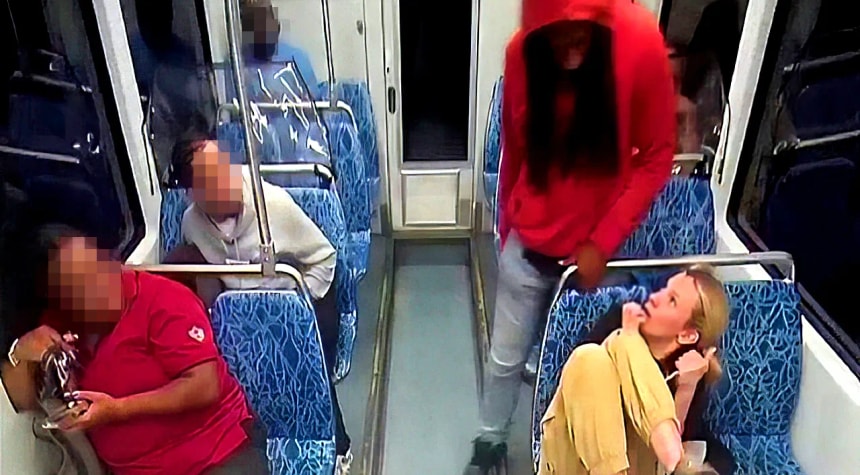
The city of Charlotte has filed a motion to dismiss a wrongful death lawsuit stemming from the brutal murder of a young Ukrainian refugee on its light rail system, claiming governmental immunity shields it from liability for security and policing decisions.
Iryna Zarutska, a 23-year-old who had fled war-torn Ukraine to build a new life in America, was fatally stabbed aboard a Lynx Blue Line train last year in an attack that shocked the nation. Surveillance footage captured the horrific incident, showing the accused assailant, Decarlos Brown Jr., seated behind Zarutska before allegedly stabbing her in the neck approximately four minutes after she boarded the train. She had just finished her shift at a local pizzeria.
Her family filed suit against the city and its private security contractor, Professional Police Services, in August, arguing that inadequate security measures and failed oversight left passengers vulnerable to violent crime. The lawsuit contends that stronger fare enforcement, physical barriers, and proper security staffing could have prevented Brown from boarding the train or stopped the attack from occurring.
In a 34-page filing submitted Monday to Mecklenburg County Superior Court, Charlotte’s attorneys argue that decisions regarding transit policing, crime prevention, security contractor oversight, and public safety administration fall under governmental functions protected by North Carolina law. The city acknowledges in its filing that no private security guard was present inside Zarutska’s train car at the time of the attack, that Brown apparently boarded without presenting a ticket or pass, and that the light rail system operates without turnstiles or fare gates.
However, Charlotte denies these circumstances caused Zarutska’s death. The city maintains that Brown acted independently and that the attack could not have been predicted based on previous crime patterns across the transit system. City attorneys argue that Brown’s failure to pay fare did not signal violent intent and that security staffing decisions, guard placement, surveillance measures, and fare enforcement practices did not cause the young woman’s death. The responsibility, they assert, lies solely with Brown.
Zarutska’s family anticipated the governmental immunity defense and argues in their complaint that Charlotte waived such immunity. They contend that operating a fare-based light rail system constitutes a proprietary function rather than a governmental one, potentially exposing the city to liability.
The lawsuit cites findings from the North Carolina state auditor revealing significant gaps in security spending. According to the audit, Charlotte and the Charlotte Area Transit System planned to allocate approximately $2.23 million for safety and security equipment in 2025 but spent only about $470,000, leaving roughly $1.76 million unspent and some planned security improvements incomplete.
Charlotte disputes allegations that it ignored passenger safety, stating that the transit system maintained contracted armed and unarmed security personnel, coordinated with law enforcement agencies, and undertook various public safety initiatives prior to Zarutska’s death.
Should the judge allow any claims against Charlotte to proceed, the city argues it should not be held liable for more than $1 million to Zarutska’s estate. The city is requesting that all claims be dismissed and that the family be barred from refiling them.
The court has not yet issued a ruling on the motion to dismiss. The case continues to raise fundamental questions about municipal responsibility for public safety on mass transit systems and the extent to which governmental immunity protects cities from liability when security measures fail and innocent lives are lost.
Related: The Rock Confirms Return to WWE for Survivor Series After 30 Years with the Company