
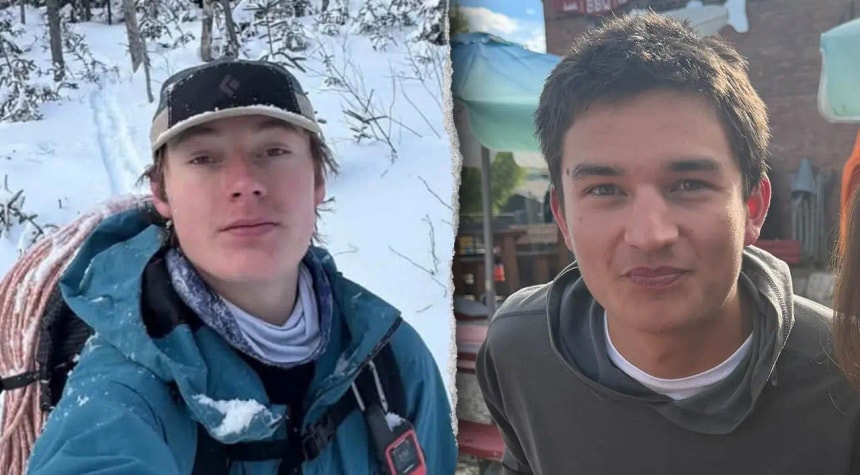
Sometimes the mountain doesn’t care how prepared you are. That’s the brutal lesson from West Apostle Mountain, where two college students fell to their deaths last week despite doing everything by the book. Kaden Matsuda, 19, and Jackson Donlon, 20, weren’t reckless thrill-seekers chasing Instagram fame. They were Colorado Mountain College students who understood the terrain, respected the equipment, and followed protocol. None of it mattered when the rock gave way.
The Chaffee County Sheriff’s Office released their findings this week, and here’s what makes this story different from the usual cautionary tales about overconfident amateurs. Investigators combed through every detail of their preparation and found nothing wrong. Think about that for a second. In most fatal climbing accidents, there’s a smoking gun. Someone skipped a safety check. Equipment was old or damaged. Weather warnings got ignored. Not this time.
Donlon was rappelling down from an anchor point, backed up by additional safety protections, when the rock securing their equipment likely failed. Matsuda was attached to the same anchor. Both students plunged into a snow-filled basin roughly 100 miles southeast of Aspen. Autopsies confirmed they died instantly from multiple blunt force injuries. At least there’s that mercy, if you can call it mercy.
Sheriff Andy Rohrich’s statement cuts through the usual bureaucratic language. "In most similar cases that have led to a devastating conclusion we find it easy to pick apart what was done wrong," he said. "That was not the case with Kaden and Jackson." That’s the part that should haunt anyone who loves the outdoors. These young men weren’t Darwin Award candidates. They were competent climbers who trusted their training and their gear. The mountain still killed them.
The students had set out from the college’s Leadville campus, initially planning to climb nearby Ice Mountain before changing course to West Apostle Mountain. Nothing suspicious about that decision either. Climbers adjust plans based on conditions all the time. The severe snowstorm that hit the area wasn’t a direct factor in their deaths, according to authorities. This wasn’t about getting caught in bad weather. This was about geology and gravity and the uncomfortable reality that rocks aren’t always as secure as they look.
You know what bothers me about climbing culture sometimes? We’ve created this narrative that proper preparation equals survival, that following the rules keeps you safe. It’s comforting mythology. The truth is messier and less reassuring. You can do everything right and still end up dead because nature doesn’t operate on a merit system. That rock had probably been sitting there for thousands of years. It picked last week to fail.
This isn’t an isolated incident either. Elite rock climber Jake Whisenant, 30, died from blunt force injuries this summer at California’s Sequoia National Park. Three Latvian mountaineers died near Denali Pass on Alaska’s Mount McKinley earlier this year, with a fourth critically injured. These weren’t inexperienced weekend warriors. These were people who understood the risks and accepted them anyway.
Here’s where the conservative in me speaks up. We’ve become so risk-averse as a society that we treat every death as preventable, every accident as someone’s fault. Sometimes things just go wrong. That’s not defeatism. That’s acknowledging reality. Matsuda and Donlon made a choice to climb mountains, knowing the inherent dangers. They took reasonable precautions. The outcome was tragic, but it wasn’t negligent.
Sheriff Rohrich found some solace in the circumstances, noting the students "spent their final moments together surrounded by the majestic beauty of Chaffee County’s high peaks that they loved." There’s something deeply American about that sentiment. We value freedom, including the freedom to pursue dangerous passions. We don’t bubble-wrap our citizens and forbid them from taking risks. At least we shouldn’t.
The investigation continues, trying to determine exactly how far they fell. Does that number really matter? Whether it was 50 feet or 500 feet, the result was the same. Two young lives ended on a mountain they loved, despite competent preparation and proper equipment. No lawsuit will bring them back. No additional regulations would have saved them. Sometimes the anchor fails. Sometimes the mountain wins.
What we owe these students isn’t a rush to regulate climbing into oblivion or plaster warning signs on every rock face. What we owe them is honest acknowledgment that they died doing something meaningful to them, something that required courage and skill. They weren’t scrolling through social media when they died. They were living.
Related: Michael Alfonso Becomes Youngest Member of Congress After Wisconsin Win
