
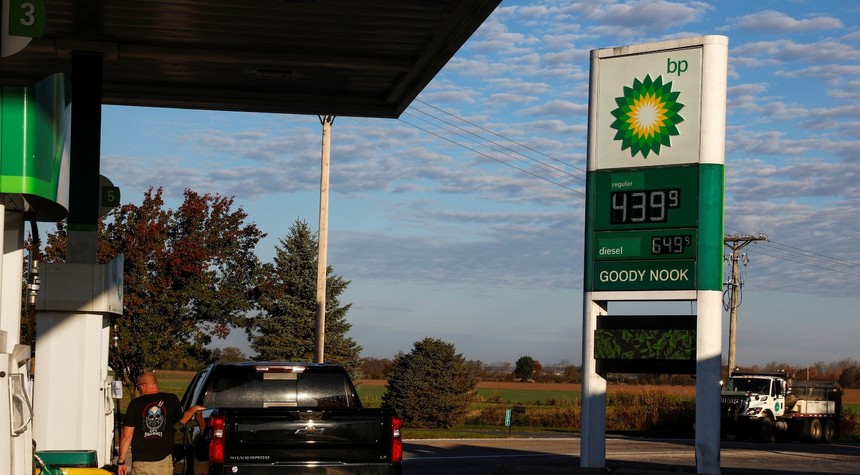
The American political landscape finds itself once again shaped by the price Americans pay at the pump, as fuel costs emerge as a determining factor in the battle for Senate control.
The national average price for a gallon of gasoline currently stands at $4.14, representing an increase of $1.16, or 38 percent, since the outbreak of conflict with Iran in February, according to data from the American Automobile Association. This substantial increase has placed affordability at the forefront of voter concerns as the nation approaches a critical midterm election.
The impact of these elevated prices varies considerably across the sixteen states hosting competitive Senate races. These contests, ranging from toss-ups to moderately competitive, span from Alaska to Mississippi, and notably, eleven of these states maintain gas prices below the national average.
Alaska drivers face the steepest costs among competitive states, paying an average of $4.75 per gallon. North Carolina motorists, by contrast, enjoy the lowest prices in this group at $3.38 per gallon. Yet every one of these sixteen states has witnessed significant price increases over the past year, driven largely by oil supply disruptions stemming from the Iran conflict.
North Carolina experienced the smallest year-over-year increase at 23 percent, while Michigan saw prices soar more than 50 percent compared to the previous year. Ten of the sixteen battleground states recorded price increases of at least 40 percent during this period.
Recent developments offer a measure of relief. Patrick De Haan, a petroleum analyst at GasBuddy, reports that declining oil prices over the past week have begun to ease costs for American drivers. The West Texas Intermediate futures price, a key benchmark for domestic oil trading, registered approximately $96.30 per barrel on Monday, marking a decline of nearly 8 percent. These prices held steady through Tuesday morning.
Seasonal factors have contributed to this downward pressure on prices. The conclusion of summer travel season has reduced demand as families return to their regular routines of work and school commutes. This shift has created conditions for what De Haan describes as one of the most significant price declines since earlier in the summer.
The national average has decreased by 12 cents over the past week. Six of the sixteen contested Senate race states have seen prices fall by at least 10 cents during this period. Michigan leads with a 30-cent decrease, followed closely by Ohio at 29 cents, and Iowa at 18 cents.
These fluctuations in fuel costs arrive at a crucial juncture in American politics. The states hosting these competitive Senate races will likely determine which party controls the upper chamber of Congress. The fact remains that despite recent declines, gasoline prices remain substantially elevated compared to previous years, keeping the issue firmly planted in the minds of voters as they prepare to cast their ballots.
The intersection of energy policy, international conflict, and domestic politics continues to play out at gas stations across America, where voters confront the tangible costs of national and global events each time they fill their tanks.
Related: Child Dies in New York’s First Measles Fatality in Three Decades
