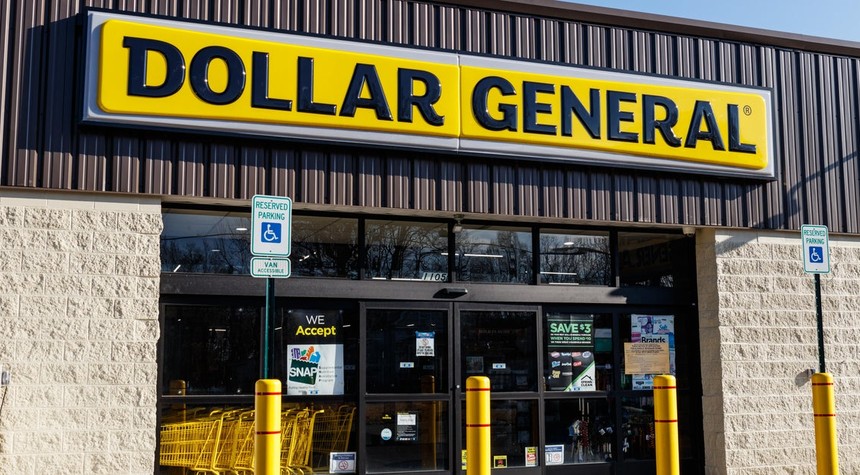
The Federal Trade Commission, joined by attorneys general from twenty states, filed suit Monday against Dollar General Corporation, alleging the discount retailer systematically overcharged customers at checkout by failing to honor advertised prices displayed on store shelves and promotional materials.
The complaint, filed in United States District Court for the Middle District of Tennessee, accuses the company of engaging in deceptive pricing practices across its network of 21,000 stores nationwide. According to federal regulators, these practices have persisted for years and resulted in millions of dollars in unlawful overcharges to American consumers.
Christopher Mufarrige, director of the FTC’s Bureau of Consumer Protection, stated that Dollar General has betrayed the trust of millions of American consumers and imposed significant financial harm on communities already struggling with economic pressures. The agency emphasized that families depending on tight budgets rely heavily on advertised low prices to manage their household finances effectively.
The lawsuit details a pattern of conduct in which customers were charged higher prices at the register than those displayed on store shelves, price tags, and advertisements. Federal investigators assert this discrepancy was not isolated to a handful of locations but affected millions of purchases across the country over an extended period.
The complaint further alleges that Dollar General received thousands of consumer complaints regarding these pricing discrepancies, suggesting the company was aware of the problem yet failed to implement adequate corrective measures. Regulators contend this knowledge demonstrates willful harm to customers rather than simple administrative oversight.
The legal action represents a significant challenge to a retailer that has built its business model on serving budget-conscious consumers in communities often underserved by larger retail chains. Dollar General markets itself as providing convenience, low prices, and value to customers seeking to stretch their household budgets.
The Federal Trade Commission argues that accurate pricing is fundamental to consumer protection, particularly for families operating on limited incomes who carefully plan their purchases based on advertised prices. When advertised prices fail to match checkout totals, consumers lose the ability to make informed purchasing decisions and manage their finances effectively.
The lawsuit seeks a permanent injunction to prevent future deceptive pricing practices, along with monetary relief and additional remedies to compensate affected consumers. The twenty states participating in the action have not been specifically identified in available court documents.
Dollar General has not yet responded to requests for comment regarding the allegations. The company, headquartered in Goodlettsville, Tennessee, serves millions of customers annually, many in rural and economically disadvantaged areas where shopping alternatives may be limited.
This legal action underscores ongoing federal scrutiny of retail pricing practices and consumer protection enforcement, particularly regarding businesses serving economically vulnerable populations. The outcome of this case may have broader implications for pricing transparency requirements across the retail industry.
Related: Vermont Company Receives Historic Approval to Demonstrate Electric Air Taxi Technology