
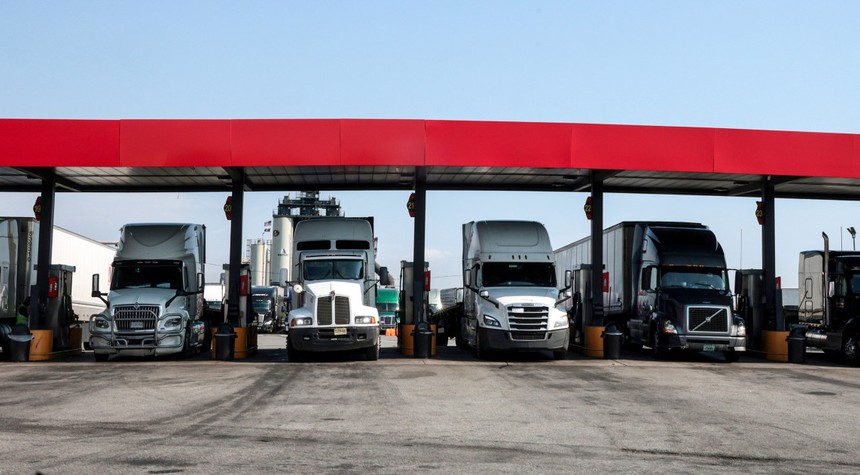
Diesel futures traded sharply higher on Tuesday, climbing five percent by midday to reach their highest levels in weeks, as energy markets increasingly questioned the effectiveness of recent White House initiatives aimed at controlling fuel prices.
European diesel futures rose nearly four percent, while gasoline futures reached levels not seen throughout the year. Such movements in futures markets typically indicate that retail prices at the pump will continue their upward trajectory in the coming days.
The numbers tell a sobering story for American consumers and businesses. Since the United States and Israel launched military strikes against Iran on February 28, the average nationwide price of diesel has increased seventy percent. Unleaded gasoline prices have risen more than forty-five percent over the same period.
Crude oil prices presented a mixed picture on Tuesday. Brent crude traded around one hundred six dollars per barrel, while U.S. crude oil approached ninety-five dollars per barrel. Both benchmarks have climbed approximately seventy percent since January.
The geographic distribution of these price increases presents particular challenges for the Republican Party ahead of November’s midterm elections. Regions experiencing the steepest wholesale diesel increases include areas critical to the party’s electoral prospects. The Gulf Coast and East Coast saw increases of eighteen cents per gallon, while Southern California experienced jumps of twenty-eight cents per gallon. The Great Plains and Great Lakes regions faced increases between twenty-five and thirty cents per gallon.
Market analysts now suggest that six-dollar-per-gallon diesel may become the new baseline, with the previous retail record of six dollars and fifty-three cents per gallon potentially falling before the midterm elections. Truckers and agricultural producers face the prospect of sustained high costs with no relief visible on the horizon.
The surge in diesel futures comes on the heels of President Trump’s announcement of an agreement with Russian President Vladimir Putin to increase diesel supplies to the United States through the purchase of previously sanctioned Russian reserves. The president indicated the deal would provide millions of metric tons of additional diesel to global markets.
However, subsequent analysis by energy market experts revealed that the quantity in question would satisfy less than two weeks of U.S. demand. Tuesday’s market movements suggest traders harbor significant doubts about whether Russian oil will materialize as promised.
The arrangement with Moscow required the suspension of sanctions on Russian energy purchases until April. These sanctions were implemented following Russia’s invasion of Ukraine in 2022, and their temporary lifting has generated considerable criticism both domestically and internationally.
The administration has simultaneously pressured European allies to release additional diesel reserves from their strategic stocks. An October 2 announcement that Europe had agreed to release fuel temporarily stabilized prices, but the absence of concrete details gradually eroded any market confidence the announcement had generated.
A subsequent statement from the International Energy Agency confirmed what energy traders had suspected. Europe would not be releasing any new diesel reserves beyond existing commitments.
As midterm elections approach, the political implications of sustained high energy prices remain a significant concern for the administration and congressional Republicans facing voters increasingly troubled by the cost of fueling their vehicles and the broader economic impacts of elevated diesel prices on goods transportation and agricultural operations.
Related: Billy Crystal Says He No Longer Trusts God After Devastating Year of Loss
