
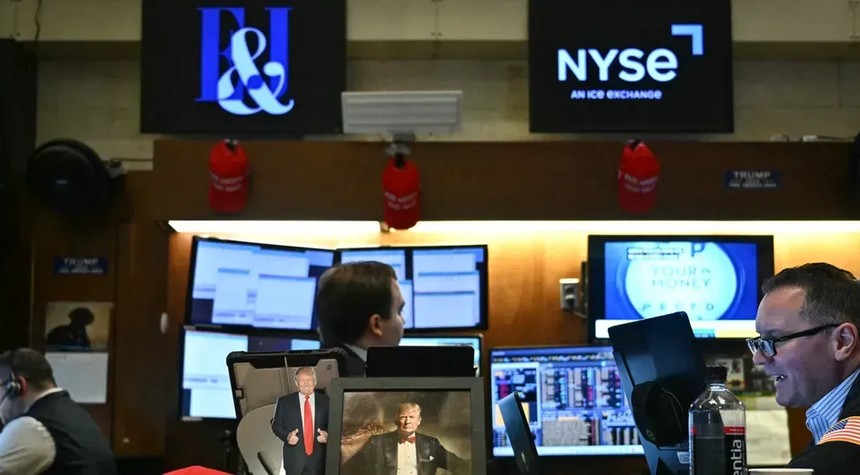
Goldman Sachs executives are preparing to receive more than $500 million in performance-based bonuses this month, a development that stands in stark contrast to the financial difficulties facing millions of American families across the nation.
Approximately twenty of the investment banking firm’s senior executives are expected to collect the substantial stock-based compensation in late October. Chief Executive Officer David Solomon is positioned to receive more than $100 million from the program, representing the largest individual award.
The compensation structure originated from a five-year executive incentive program implemented in October 2021. At that time, Goldman Sachs awarded Solomon and President John Waldron performance-based stock grants initially valued at $17 million and $11.4 million, respectively. The program subsequently expanded to include additional senior executives in January 2022, following what the bank described as shareholder feedback and concerns about leadership retention.
The awards were structured to reward executives for generating shareholder returns over a five-year period. Half of each award depends on Goldman’s absolute stock performance, while the remaining half is calculated based on the bank’s performance relative to six major financial institutions.
Goldman Sachs shares have returned approximately 150 percent over the past five years when reinvested dividends are included, substantially exceeding the original valuations of the awards. The bank outperformed five of the six competitors against which the bonuses were measured.
These executive payouts arrive at a time when American households face considerable economic pressures. According to the Federal Reserve’s most recent survey, 37 percent of American adults lack sufficient readily available funds to cover a $400 emergency expense without resorting to alternative payment methods such as credit cards or borrowing.
The broader financial picture for American families has grown increasingly complex. Credit card balances increased by $21 billion during the second quarter of 2026, reaching a total of $1.26 trillion, according to the Federal Reserve Bank of New York. The same report found that 4.7 percent of outstanding household debt was in some stage of delinquency, though that figure declined slightly from the previous quarter.
Goldman Sachs’ own research has documented these financial challenges. A 2026 retirement survey conducted by Goldman Sachs Asset Management revealed that nearly 70 percent of working respondents had postponed a major financial goal, including building emergency savings, reducing debt, or purchasing a home.
The broader banking sector appears positioned for strong performance in the coming quarter. Analysts project earnings growth of as much as 20 percent for major financial institutions in the third quarter, driven by stronger trading and investment banking activity.
Jennifer Zuccarelli, a spokesperson for Goldman Sachs, stated that the executive incentives were designed to align compensation with performance, maintain leadership continuity, and retain experienced executives. She noted that the firm has performed exceptionally well in the years since the program’s implementation.
The substantial value of these awards reflects the significant appreciation in Goldman Sachs’ stock price over the measurement period, a performance that exceeded initial projections when the compensation program was established. The final award values will be determined by the stock price at the time of vesting later this month.
Related: Friends of Nolan Wells File Federal Defamation Suit Against Former NFL Star Terrell Owens
