
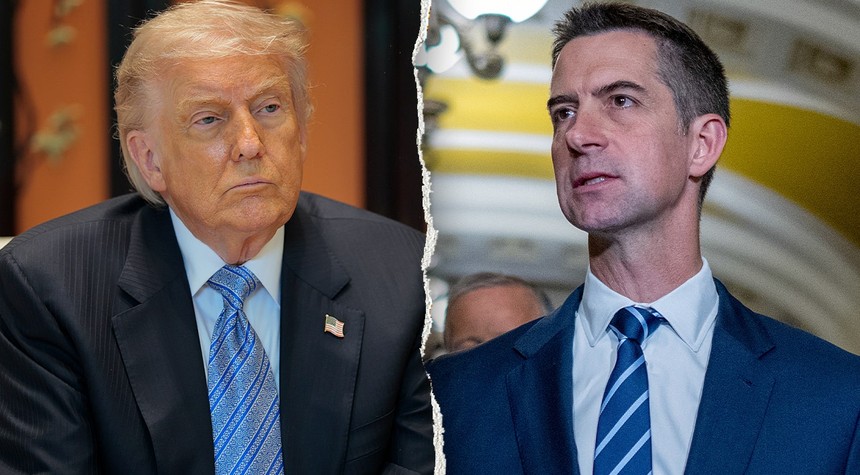
The perennial debate over daylight saving time has resurfaced in Washington, this time with President Donald Trump publicly challenging one of his most reliable congressional allies in an effort to advance legislation that would end the nation’s twice-yearly clock changes.
The House of Representatives passed a bill this summer that would allow states to voluntarily observe daylight saving time year-round, effectively eliminating the ritual of spring forward and fall back that Americans have observed for decades. The proposal enjoys broad public support and has the president’s enthusiastic backing. Yet the measure has encountered significant resistance in the Senate, where it appears increasingly likely to meet its end.
Senator Tom Cotton of Arkansas has emerged as one of the bill’s most vocal opponents, vowing to block any attempts to expedite its passage through the chamber. His stance prompted President Trump to take the unusual step of sharing Cotton’s personal phone number on Truth Social over the weekend, urging Arkansans to contact their senator and pressure him to reconsider.
“Almost everybody wants ‘The Sunshine Protection Act’ to pass, except for Tom Cotton,” the president wrote. “To the Great People of Arkansas, please let your Senator know it would be a great bipartisan win for the United States Senate, and for America itself.”
Cotton responded by pointing to historical precedent that casts considerable doubt on the wisdom of permanent daylight saving time. The senator noted that Congress has enacted such measures before, only to repeal them after Americans experienced the practical difficulties of the change.
“No one likes changing the clock, me included, but Congress has enacted permanent daylight saving time multiple times before and repealed it each time once Americans experienced absurdly late sunrises in the winter,” Cotton stated. “Arkansans don’t want their kids going to school in the pitch dark, and I’ll always put Arkansas first.”
The historical record supports Cotton’s concerns. In the 1970s, lawmakers did indeed establish year-round daylight saving time. The experiment proved short-lived. Americans, particularly parents whose children waited for school buses in darkness on winter mornings, quickly soured on the arrangement. Congress repealed the measure approximately one year after its implementation.
The current impasse reflects a geographic division that transcends traditional partisan lines. Northern states, where winter sunrises would occur considerably later under permanent daylight saving time, have expressed reservations similar to those articulated by Senator Cotton. Southern states, which would experience less dramatic effects, have shown greater willingness to support the change.
During a recent closed-door policy lunch among Senate Republicans, Cotton addressed questions from colleagues about his opposition to the bill. According to sources familiar with the discussion, he reiterated his concerns about winter darkness and school safety. Notably, no other senators challenged his position during that meeting.
The standoff illustrates the limits of presidential influence even when applied to popular proposals. While voters consistently express frustration with changing their clocks twice yearly, the practical implications of permanent daylight saving time remain contentious enough to stall legislation despite strong executive support.
For now, Americans can expect to continue adjusting their timepieces according to the familiar seasonal schedule, a ritual that has persisted despite repeated attempts at reform.
Related: CIA Officer Admits to Stealing $194 Million and Exposing Intelligence Source
