
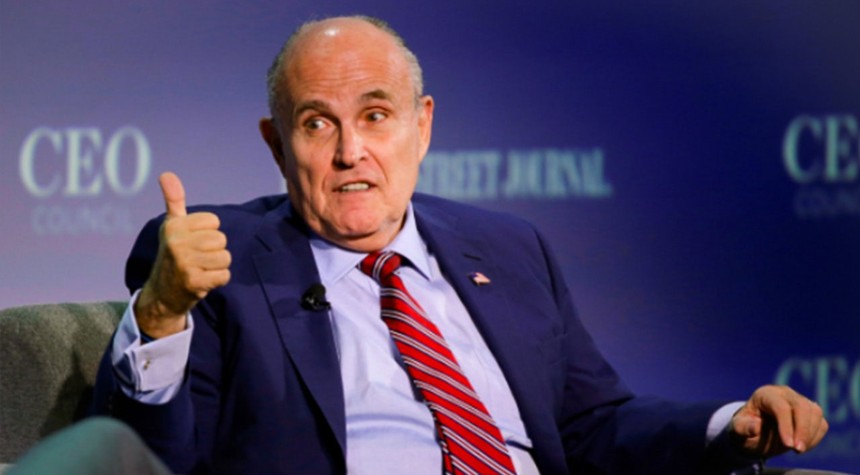
Before Rudy Giuliani earned recognition as New York City’s mayor, he served as a United States attorney who fundamentally altered the government’s approach to prosecuting organized crime in America.
During the 1980s, Manhattan experienced unprecedented crime rates that created favorable conditions for the Mafia to consolidate power throughout the city. Former NYPD inspector Paul Mauro has observed that such circumstances inevitably invite what he describes as a “shadow government” to fill the void left by inadequate law enforcement.
Giuliani recognized that traditional prosecution methods had proven insufficient against these entrenched criminal organizations. Individual prosecutions failed to disrupt the organizational structure that allowed the Mafia to continue operations even when specific members faced conviction.
The solution came through innovative application of the Racketeer Influenced and Corrupt Organizations Act, commonly known as RICO. This federal statute, enacted in 1970, had remained underutilized until Giuliani demonstrated its effectiveness against organized crime syndicates.
In 1985, Giuliani established the Mafia Commission Trial, indicting eleven individuals including the leadership of New York’s Five Families. The charges encompassed murder for hire, extortion, and labor racketeering. The RICO statute’s particular strength lay in its ability to target entire criminal organizations rather than isolated individuals.
Mauro explained the tactical advantage this provided prosecutors. Under previous legal frameworks, cases required proof of specific conspiracies. RICO fundamentally changed this approach. Prosecutors needed only to demonstrate that defendants had agreed to act on behalf of an organization and had taken action in furtherance of that organization’s interests.
This shift in prosecution strategy produced a significant secondary effect. Lower-ranking members of criminal organizations, facing the prospect of conviction for organizational activities rather than specific crimes, became more willing to cooperate with federal authorities.
Former Gambino associate Louis Ferrante characterized Giuliani’s strategy as severing the head from a hydra. The metaphor proved apt. While criminal organizations theoretically could replace convicted leadership, they could not replicate the experience and institutional knowledge that defined the previous generation of crime bosses.
Ferrante argued that the Mafia Commission Trial marked the beginning of irreversible decline for these organizations. The damage extended beyond immediate convictions. The prosecution fundamentally disrupted succession planning and organizational continuity that had sustained these families for decades.
The Five Families targeted in these prosecutions had dominated New York’s criminal underworld for generations. Paul “Big Paul” Castellano, boss of the Gambino crime family, stood among those indicted in the commission trial, representing the caliber of leadership Giuliani’s strategy successfully prosecuted.
The long-term consequences of these prosecutions extended well beyond the courtroom. The organizational structures that had allowed these criminal enterprises to flourish for much of the twentieth century never fully recovered from the systematic dismantling that Giuliani’s prosecutorial approach achieved.
This chapter in American law enforcement history demonstrates how strategic application of existing legal tools, combined with determination to pursue entire criminal organizations rather than individual defendants, can produce lasting results against entrenched criminal enterprises. The precedent established by these prosecutions continues to inform federal approaches to organized crime throughout the nation.
Related: California Couple Arrested in Surrogacy Scandal Involving 21 Children
