
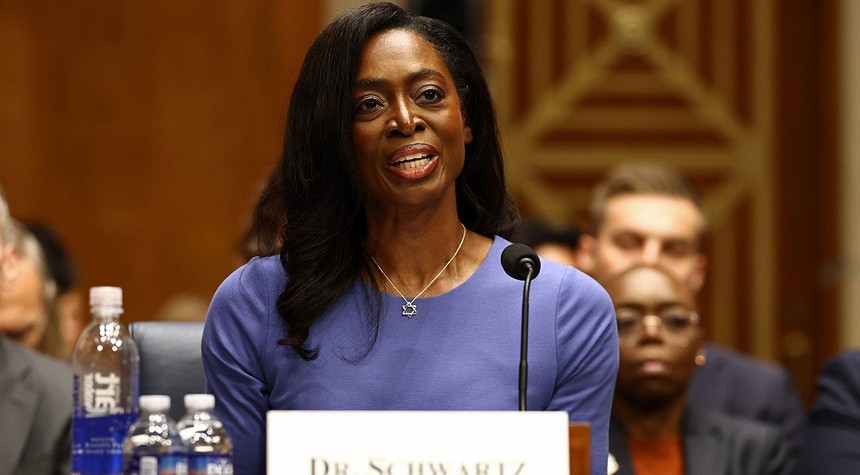
The United States Senate confirmed Dr. Erica Schwartz as the next director of the Centers for Disease Control and Prevention on Wednesday, voting along party lines as the nation confronts multiple disease outbreaks and ongoing questions about the independence of federal health agencies.
Dr. Schwartz, who served as deputy surgeon general during President Donald Trump’s first term, becomes the latest individual to lead the CDC during this administration. The position has seen considerable turnover, with nearly half a dozen different officials helming the nation’s primary disease-fighting agency in recent months.
Her confirmation arrives at a critical juncture. A Cyclospora outbreak, caused by a parasitic infection commonly resulting in severe gastrointestinal distress, has spread across the country through contaminated lettuce. The outbreak has raised concerns about food safety protocols and the agency’s capacity to respond effectively to public health emergencies.
The path to confirmation proved more challenging than initially anticipated. Members of the Senate Health, Education, Labor and Pensions Committee subjected Dr. Schwartz to intensive questioning about whether she would maintain scientific independence from Health and Human Services Secretary Robert F. Kennedy Jr., whose positions on vaccines have generated substantial controversy.
Senator Bill Cassidy of Louisiana, the Republican chairman of the HELP Committee, expressed particular concern during the confirmation process. Senator Cassidy, who cast the decisive vote to confirm Secretary Kennedy last year, questioned whether Dr. Schwartz would make decisions based on scientific evidence or simply follow directives from her superiors.
During her committee hearing, when pressed about her willingness to resist politically motivated orders, Dr. Schwartz responded that “the secretary will absolutely allow me to be CDC director.” This answer initially failed to satisfy Senator Cassidy’s concerns.
“I feel like I’m having to go after this question a little bit more firmly than I feel like I should,” Senator Cassidy stated during the hearing. “You can be CDC director and just take orders. We need a CDC director that will actually stand up to crazy, stupid things being said that undermine faith in immunization.”
Despite these reservations, Dr. Schwartz ultimately secured the committee’s approval. Senator Cassidy, who has demonstrated increased independence from the administration after facing a Trump-backed primary challenger, explained his decision by emphasizing the agency’s critical mission.
“The agency needs someone who understands that the way to prevent vaccine-preventable diseases is to reassure the public that vaccines are safe and effective,” Senator Cassidy said. “I’m confident that she knows what she is doing and will stand against those who do not.”
The confirmation debate reflects broader tensions within the Republican Party regarding public health policy and the appropriate balance between political leadership and scientific expertise. These questions have taken on renewed urgency as measles cases rise nationwide and as Secretary Kennedy has engaged in public disputes with journalists about vaccine efficacy.
The CDC faces significant challenges in the months ahead. Beyond the immediate Cyclospora outbreak and rising measles cases, the agency must restore public confidence in federal health guidance while navigating an administration that has expressed skepticism about certain traditional public health measures.
Dr. Schwartz inherits an agency at a crossroads, tasked with protecting American lives while operating within a political environment that demands both scientific rigor and administrative loyalty. How she balances these competing pressures will determine not only her success as director but potentially the health outcomes of millions of Americans.
Related: Florida Homeowner Documents Careless Package Delivery on Ring Camera
