
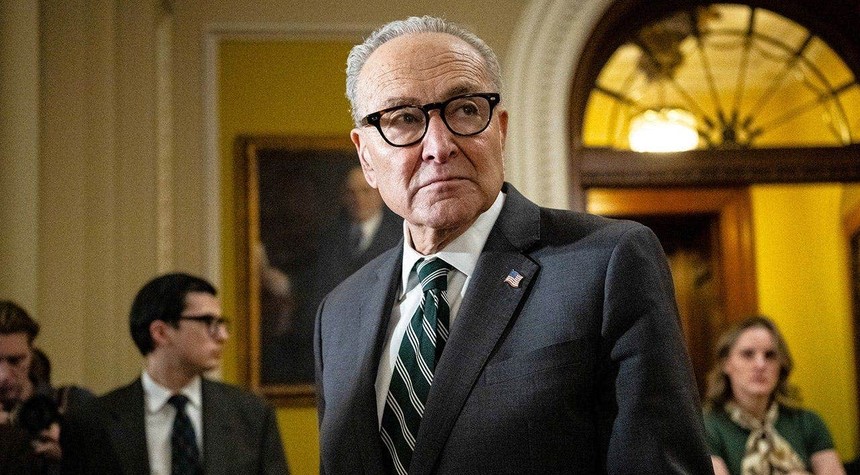
Senate Minority Leader Chuck Schumer declined to address mounting questions regarding allegations involving one of his caucus members this week, choosing instead to focus his attention on President Donald Trump’s scheduled primetime address.
The controversy centers on Senator Ruben Gallego of Arizona, who reportedly engaged in sexual relationships with at least two Democratic House staffers during his tenure as a congressman. The staffers in question did not work directly for Gallego’s office, a detail that carries significance under House ethics regulations.
According to House rules, members of Congress are not prohibited from maintaining romantic relationships with congressional staffers, provided those individuals are not employed within their own offices. Sources familiar with the matter indicated the relationships occurred while Gallego was unmarried, though the precise timeline remains unclear.
The House Ethics Committee has completed its review of the matter and cleared Gallego of any violations. However, Representative Anna Paulina Luna has publicly criticized the decision, stating her belief that character concerns persist regardless of technical rule compliance.
When approached for comment, Senator Schumer, who leads the Democratic minority in the upper chamber, opted not to weigh in on the allegations or their implications for his party. Instead, the New York Democrat directed his focus toward preparing remarks critical of President Trump’s upcoming address to the nation.
The incident raises familiar questions about workplace relationships on Capitol Hill and the boundaries established by congressional ethics guidelines. While the rules explicitly prohibit romantic involvement between members and their direct employees, relationships with staffers from other offices occupy a gray area that has generated debate among ethics observers.
Gallego, who previously served in the House of Representatives before winning his Senate seat, has maintained a low profile as the story developed. The Arizona Democrat has not issued a public statement addressing the specifics of the allegations or the ethics panel’s findings.
The timing of the controversy presents potential complications for Democratic leadership as they navigate an already challenging political landscape. With narrow margins in both chambers of Congress, party leaders typically prefer to avoid internal distractions that might undermine their messaging or legislative priorities.
The matter also highlights the ongoing challenges congressional leadership faces in addressing allegations involving their members while maintaining party unity. Schumer’s decision to bypass questions on the subject follows a pattern observed in both parties, where leaders often defer comment on sensitive matters involving individual members until formal proceedings conclude.
As the Senate prepares for its upcoming legislative session, the Gallego matter serves as a reminder of the persistent ethical questions that accompany life in the nation’s capital, where personal conduct and professional responsibilities frequently intersect in ways that test the boundaries of established guidelines.
The full implications of the ethics committee’s decision and its potential impact on Gallego’s standing within the Democratic caucus remain to be seen as the story continues to develop.
Related: Federal Employee Made Over $100,000 Betting on Trump Speech Content Using Inside Knowledge
