
A significant earthquake measuring 6.0 on the Richter scale struck Hawaii’s Big Island late Friday evening, occurring at approximately 10 p.m. local time. The U.S. Geological Survey confirmed the seismic event, which adds another layer of concern to an already heightened period of volcanic activity in the region.
The earthquake’s epicenter was located roughly seven miles south of Hōnaunau-Nāpōʻopoʻo, a community situated along the southwest coast of Hawaii’s largest island. This seismic activity arrives at a particularly sensitive time, as scientists continue their close monitoring of Kilauea, one of the world’s most active volcanoes, which has demonstrated renewed vigor throughout the month of May.
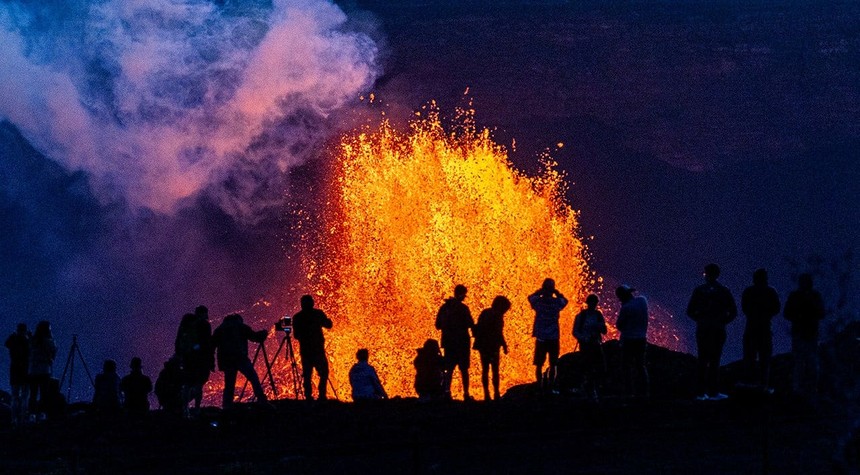
According to geological experts, Kilauea is expected to erupt again within the coming days, following a series of eruptions that have characterized recent weeks. The volcano’s twenty-first eruption of the current cycle occurred on May 11, drawing crowds of observers who witnessed the dramatic display of nature’s raw power.
The U.S. Geological Survey provided insight into the underlying causes of Friday’s earthquake, explaining that the seismic event appears to be structurally related to the unique geological conditions of the Hawaiian archipelago. Scientists have determined that the depth, precise location, and recorded seismic waves indicate the earthquake resulted from stress caused by the bending of the oceanic plate beneath the tremendous weight of the Hawaiian island chain.
This explanation underscores the complex geological forces at work in the region. The Hawaiian Islands sit atop a volcanic hotspot in the Earth’s mantle, where magma pushes through the Pacific Plate. Over millions of years, this process has created the island chain, but it also subjects the oceanic plate to enormous pressure and stress, occasionally resulting in significant seismic activity.
The combination of active volcanic eruptions and substantial earthquakes presents ongoing challenges for residents and authorities on the Big Island. While Hawaii has long experience managing volcanic activity, the unpredictable nature of both earthquakes and eruptions requires constant vigilance and preparedness from local communities.
Scientists at the U.S. Geological Survey’s Hawaiian Volcano Observatory continue their round-the-clock monitoring of Kilauea’s activity, tracking seismic data, ground deformation, and gas emissions to better predict the volcano’s behavior. This information proves vital for public safety officials tasked with protecting residents and visitors in affected areas.
As the situation develops, authorities urge residents and tourists to remain informed about current conditions and to heed all warnings and advisories issued by emergency management officials. The dynamic geological nature of Hawaii serves as a reminder of the powerful forces that shaped these islands and continue to influence life in this Pacific paradise.
Related: Black Rifle Coffee Founder Releases Tribute Song Honoring Fallen Service Members
